Understanding the Role of a Manhattan Commercial General Contractor
What is a General Contractor?
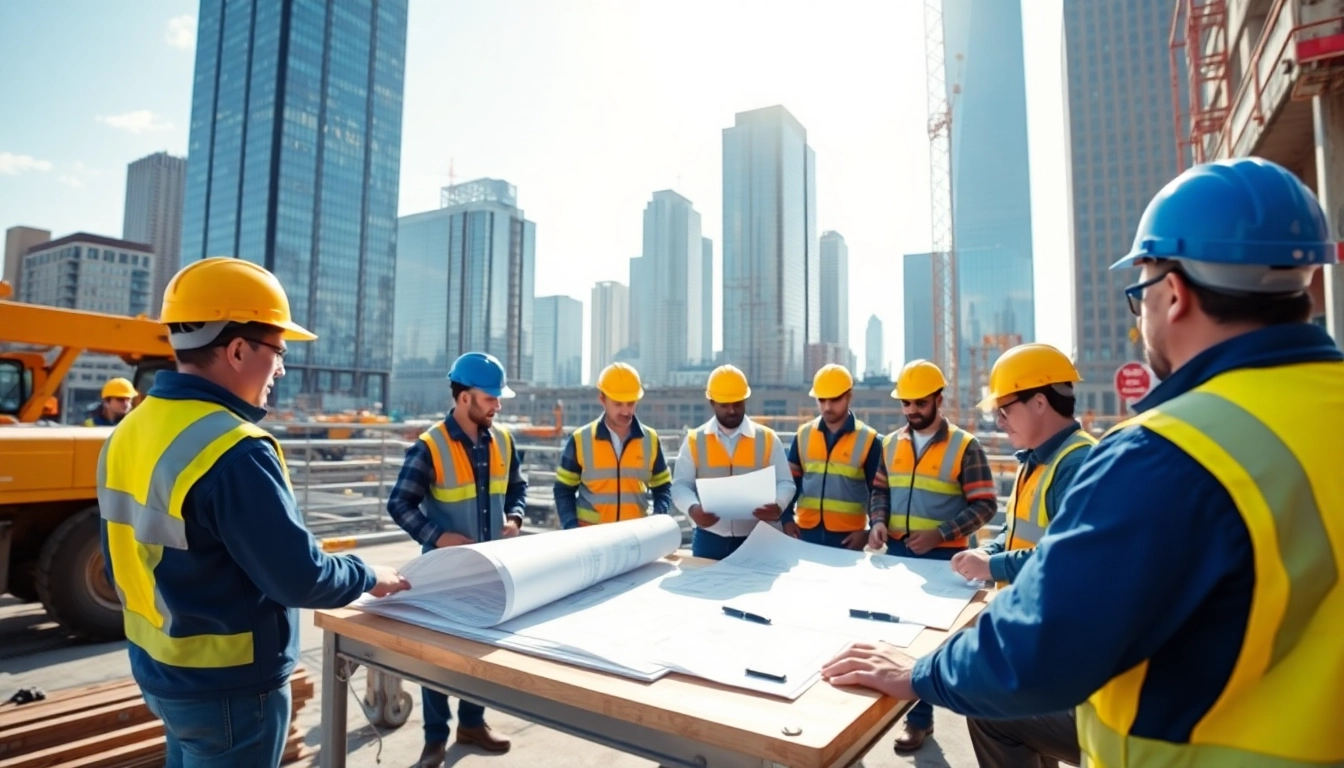
A general contractor (GC) is a professional responsible for overseeing construction projects, ensuring that they are completed on time, within budget, and to the required quality standards. This role encompasses a broad range of duties, including hiring subcontractors, managing labor, procuring materials, and liaising with architects, engineers, and clients. Essentially, the general contractor acts as the hub of the construction wheel, coordinating all elements of a project to ensure its success. In the bustling environment of Manhattan, this role becomes even more intricate due to regulatory compliance, building codes, and the varied architectural styles inherent to the city. By engaging the services of a Manhattan Commercial General Contractor, clients can navigate these complexities more effectively.
Importance in Manhattan's Construction Landscape
Manhattan’s real estate market, characterized by high demand and limited space, places unique pressures on construction projects. The role of a general contractor is critical in this environment, not just for logistical reasons but also for market and economic factors driving the construction business. They must be adept at dealing with local zoning laws, permits, and the intricacies of working in a high-density urban setting. A skilled Manhattan commercial general contractor brings valuable knowledge of these challenges, facilitating smoother project execution and minimizing delays and costs.
Key Responsibilities
The responsibilities of a Manhattan commercial general contractor extend far beyond the traditional construction oversight roles. They include:
- Project Planning: Developing a comprehensive plan that outlines all project phases, from inception to completion.
- Resource Management: Allocating materials, machinery, and labor effectively, while controlling costs.
- Quality Assurance: Implementing strict quality control measures to ensure that work meets all standards.
- Client Liaison: Maintaining open lines of communication with clients to keep them updated on progress and changes.
- Regulatory Compliance: Ensuring all work adheres to local building codes, safety regulations, and zoning laws.
Finding the Best Manhattan Commercial General Contractor
Researching Potential Contractors
Choosing the right general contractor is a crucial step in ensuring project success. Start by conducting thorough research to identify potential contractors. Look for online reviews, testimonials, and case studies that highlight their past work. Consider their reputation within the industry and how long they have been operating in Manhattan. Websites and platforms that aggregate contractor information can be particularly useful, as they often include client reviews and project portfolios.
Evaluating Experience and Portfolio
Experience can significantly influence a contractor's ability to handle the complexities of a project. When evaluating potential candidates, review their portfolios to assess their previous work relevant to your project. Consider factors such as:
- Types of projects completed (e.g., commercial, residential, renovations)
- Style and quality of their work
- Innovative solutions employed in challenging situations
Don’t hesitate to ask for references and reach out to previous clients to gain insights into their experiences.
Checking Licenses and Insurance
Before signing any agreement, ensure that the chosen general contractor possesses the necessary licenses and insurance. In Manhattan, a GC must have a valid New York City Department of Buildings license and worker's compensation insurance. This not only protects you against potential liabilities during the construction process but also confirms that the contractor is compliant with local regulations.
Cost Considerations when Hiring a Manhattan Commercial General Contractor
Understanding Pricing Structures
Cost is often a primary concern in construction. General contractors may charge based on several pricing structures, including:
- Fixed Price: A set fee for the entire project, which can provide budget certainty.
- Cost Plus: The contractor charges for materials and labor, plus an additional fee.
- Time and Materials: Payment for the actual time and materials used, usually best for projects with uncertain scopes.
Discuss these options openly with potential contractors to find a pricing structure that suits your budget and project needs.
Budgeting for Contingencies
Contingency budgeting is vital in construction. Unforeseen issues, such as delays due to weather or unanticipated structural problems, can elevate costs. A common practice is to set aside 10-20% of the total project budget as a contingency fund. This financial buffer allows you to address unexpected challenges without straining your overall budget.
Negotiating Contracts
Once you’ve selected a contractor, the next step is negotiating the contract. Pay close attention to terms related to timelines, payment schedules, and penalties for delays. Clear outlines help prevent misunderstandings later in the project. It’s advisable to seek legal advice before finalizing a contract to ensure your interests are protected.
Best Practices for Working with a Manhattan Commercial General Contractor
Establishing Clear Communication Channels
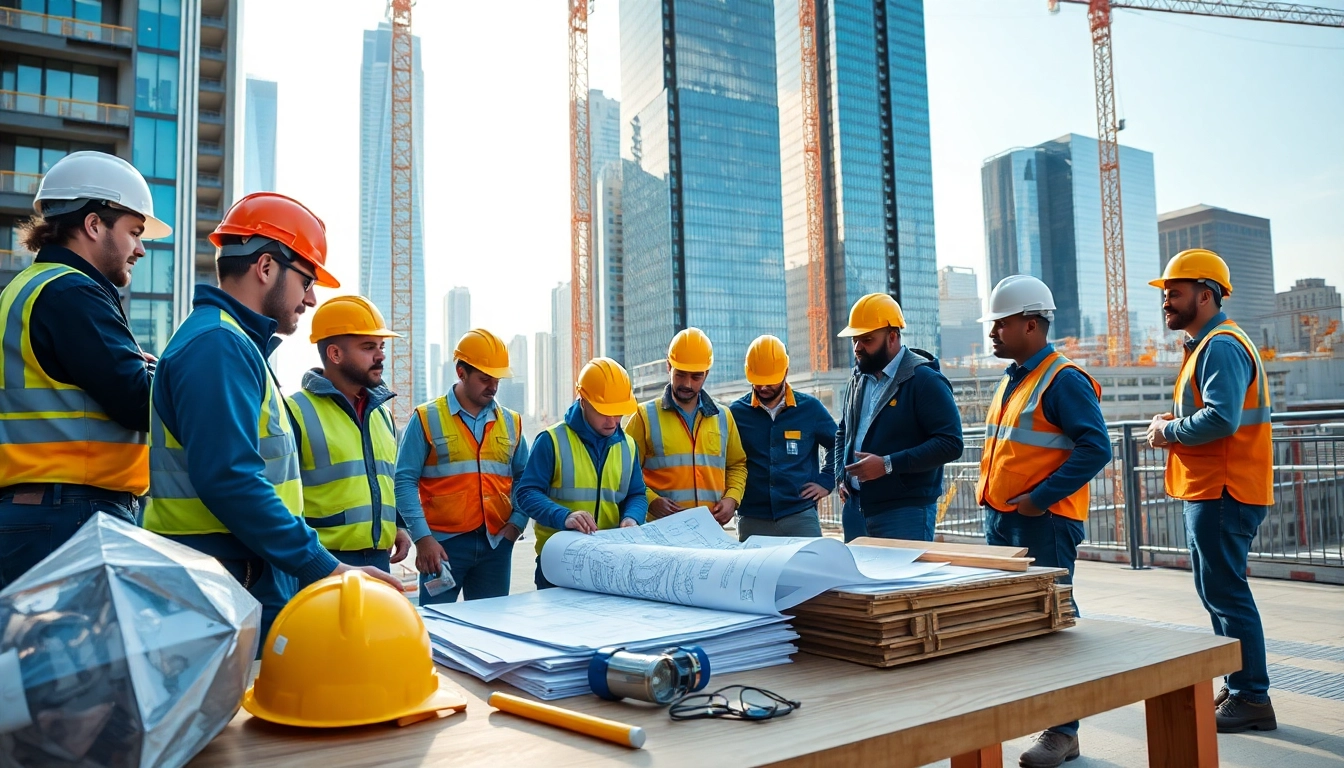
Effective communication is critical for a successful project. Establish clear channels of communication from the onset, defining who the key contacts are for both parties. Regular check-ins, status updates, and meetings can pave the way for transparency, enabling quick resolution of any issues or concerns that arise during construction.
Setting Project Timelines
Establishing realistic project timelines is essential. A well-structured timeline outlines each phase of the project, providing clear deadlines and milestones. Working closely with the contractor to develop this timeline ensures that all parties agree on what is expected and when tasks will be completed.
Maintaining Quality Control
Quality control should be integrated into every aspect of the construction process. Regular inspections and adherence to building codes must be prioritized. By implementing a quality assurance plan and encouraging contractors to maintain high standards, you can eliminate rework and ensure that the final result meets your expectations.
Frequently Asked Questions
Your Queries Addressed
What is the role of a general contractor?
A general contractor oversees construction projects, manages subcontractors, and ensures that the work meets quality and regulatory standards.
How do I choose the right contractor?
Evaluate their experience, portfolio, reviews, and verify their licenses and insurance before making a decision.
What should I include in my budget?
Include costs for labor, materials, permitting, contingency funds, and any extra services that might arise during the project.
How long does a construction project take?
Project duration varies based on size and complexity. A good contractor will provide a realistic timeline based on your specific project needs.
What if problems arise during construction?
Maintain open communication with your contractor. Address issues as they occur to find effective solutions without significant delays.