
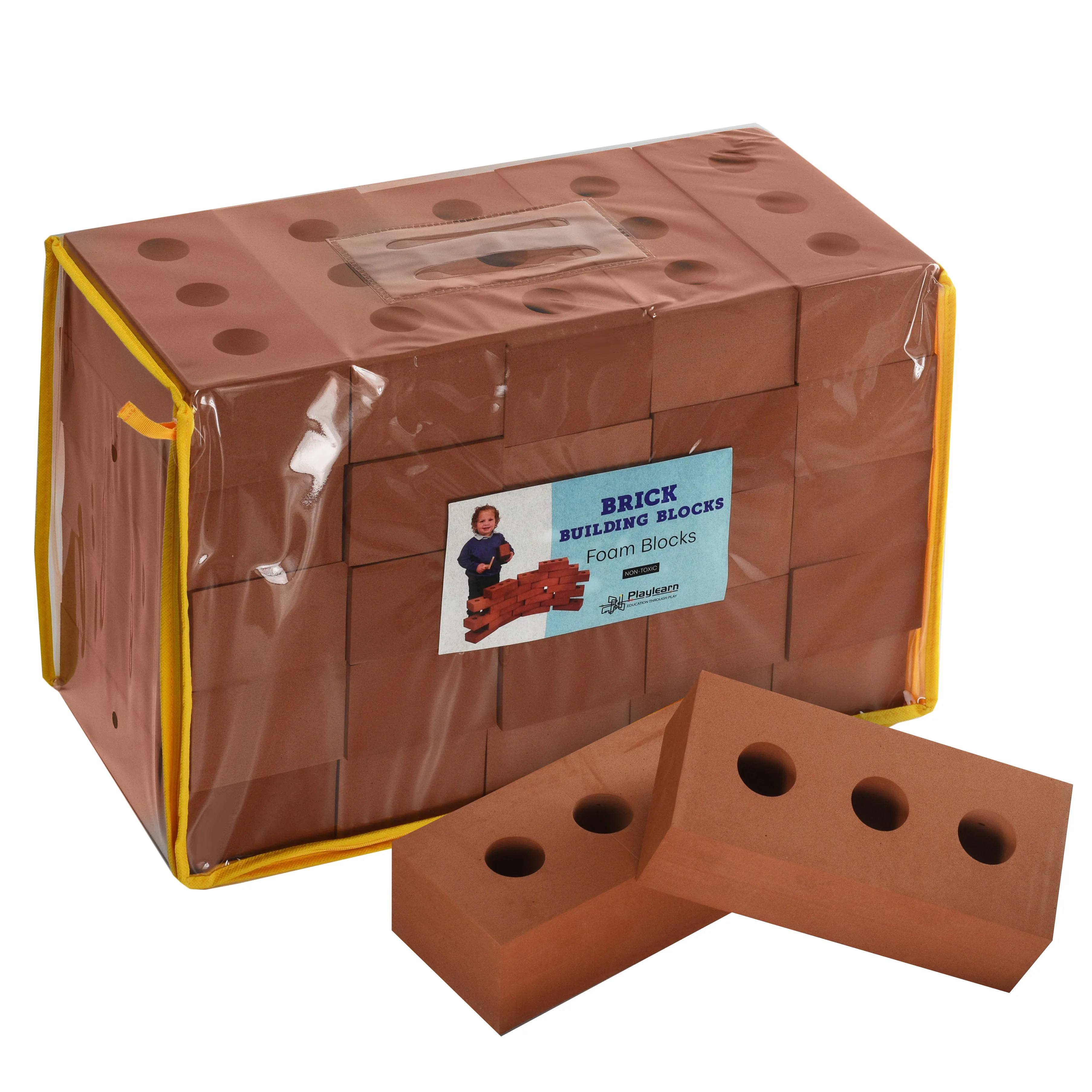
Introduction to Giant Building Blocks
Giant building blocks are not just oversized toys; they are a gateway to creativity, imagination, and endless playtime possibilities. Designed for children of various ages, these building blocks come in various shapes and sizes, allowing kids to construct, invent, and explore in ways that traditional toys cannot. From sturdy plastic to soft foam varieties, the versatility of these blocks caters to numerous preferences and play environments. If you're eager to explore creative ways to engage your children, discover more about how to incorporate giant building blocks into their playtime experience.
What Are Giant Building Blocks?
Giant building blocks are large, typically lightweight blocks that come in various materials such as high-density foam, plastic, or wood. These building sets allow children to assemble a variety of structures, from simple stacks to intricate designs. The larger size of these blocks ensures that they are easy to grip and manipulate, making them perfect for small hands. Moreover, giant building blocks often come in vibrant colors, which not only attract children but also help in developing their visual sensory skills.
Benefits of Playing with Building Blocks
Playing with giant building blocks supports a myriad of developmental benefits for children. These include:
- Physical Development: Building with large blocks encourages gross motor skills as children lift, move, and stack blocks.
- Cognitive Development: Understanding balance and spatial relationships promotes critical thinking skills.
- Social Skills: Collaborative building encourages teamwork and communication among children.
- Creativity: Open-ended play allows children to express their thoughts and ideas through tangible constructions.
Choosing the Right Blocks for Kids
When selecting giant building blocks for your children, consider the following factors:
- Material: Choose blocks made from non-toxic materials for safety. Foam blocks are great for younger kids due to their lightweight and soft nature.
- Size: Ensure the blocks are appropriately sized for the age group of your children to facilitate safe play.
- Durability: Look for sturdiness to withstand the rigors of active play without breaking easily.
- Variety: A set that includes various shapes and colors can keep playtime exciting and engaging.
Designing an Epic Indoor Play Space
Space Considerations for Safety and Fun
An indoor play space dedicated to building block activities should prioritize safety while maximizing fun. When designing this space, consider the following:
- Clear Area: Ensure that the play area is free from obstacles that could cause injuries. A spacious environment allows for safer constructions.
- Soft Flooring: Opt for rugs or mats to cushion falls and protect children during their play adventures.
- Safe Surroundings: Remove any sharp-edged furniture or decor to create a child-friendly environment.
Creative Layout Ideas for Maximum Engagement
A well-thought-out layout can significantly enhance the play experience. Here are some creative ideas:
- Building Zones: Create designated areas for different activities, such as a construction zone, a soft play area, and a reading nook.
- Themed Play: Incorporate themes such as a castle zone, vehicle area, or imaginative landscapes to stimulate creativity and engagement.
- Visual Displays: Use wall space to display children's creations, sparking further inspiration as they see their work appreciated.
Incorporating Other Play Elements
To enhance the building block experience, consider integrating other play elements:
- Art Supplies: Provide markers, paints, and decorative items to personalize their block creations.
- Props: Include toys such as action figures or vehicles that can interact with the constructions, adding another layer of imaginative play.
- Books: Place books that highlight construction projects, architecture, or imaginative stories to inspire creativity.
Engaging Activities with Building Blocks
Fun Games to Play with Blocks
Introduce games that can make block play more competitive and fun:
- Block Relay: Set up a relay race where children stack as many blocks as possible within a time limit.
- Building Challenges: Encourage kids to build specific structures, such as a bridge or tower, using limited blocks or specific shapes.
- Sensory Exploration: Blindfold children and have them identify blocks by touch alone, promoting sensory skills.
Encouraging Teamwork and Collaboration
Building blocks provide an excellent medium to foster teamwork among children:
- Group Projects: Assign larger building tasks that require children to work together, enhancing collaborative skills.
- Buddy System: Pair children so they can support and learn from each other's building techniques.
- Shared Goals: Encourage children to set collective goals, such as creating a giant structure, to develop a sense of community.
Challenge Ideas to Spark Imagination
Challenge your kids to stretch their imaginations with the following ideas:
- Theme Days: Assign themes for building projects, such as space, underwater, or rainforest.
- Story Building: Ask children to construct scenes from their favorite stories or books, enhancing narrative skills.
- Time Trials: Set a timer to add excitement to building tasks, encouraging kids to work quickly while maintaining creativity.
Educational Benefits of Building Blocks
Developing Fine Motor Skills
Playing with giant building blocks allows children to improve their fine motor skills significantly. Manipulating blocks aids in hand-eye coordination and strengthens hand muscles as they grasp and stack items, facilitating better control over smaller objects in the future.
Fostering Creativity and Problem Solving
Building blocks encourage children to think creatively as they figure out how to connect different shapes and sizes. Problem solving becomes essential when constructing stable structures, helping children learn how to overcome challenges and think critically.
STEM Learning through Play
Giant building blocks can be a practical introduction to basic principles of science, technology, engineering, and mathematics (STEM). Understanding gravity, balance, and geometry becomes engaging as children explore these concepts through hands-on building activities.
Safety Tips and Best Practices
Choosing Non-Toxic Materials
Ensure that the blocks your children interact with are made from non-toxic materials certified for child safety. Avoid blocks with small parts that could pose a choking hazard, and prioritize well-constructed blocks that are safe and durable.
Monitoring Playtime for Safety
Supervision during play is vital. Always keep an eye on children as they play with blocks to ensure that they use them safely and don't engage in potentially dangerous activities. Setting clear guidelines on how to play safely can prevent accidents.
Maintaining and Storing Blocks Properly
Keeping building blocks clean and well-maintained extends their longevity and ensures safety. Establish a storage area that is easily accessible for children and encourages them to help with clean-up, teaching them responsibility while ensuring the play area stays organized.
Frequently Asked Questions
What age group are giant building blocks suitable for?
Giant building blocks are suitable for children aged 2 and above, as they are designed to be safe and easy to manipulate for toddlers and preschoolers.
How can I encourage creativity with building blocks?
Introduce themed challenges, art supplies for decoration, and encourage storytelling linked to their creations to inspire creativity.
Are giant building blocks safe for indoor use?
Yes, giant building blocks designed for indoor use are typically lightweight and constructed from non-toxic materials, making them safe for play in the home.
How do giant building blocks benefit my child's development?
They help develop fine motor skills, foster teamwork, spark creativity, and introduce basic STEM concepts in an engaging way.
What's the best way to clean giant building blocks?
Clean blocks with mild soap and water, then air dry. Check for any wear and tear regularly to ensure safety during play.