Understanding the Culinary Landscape
The culinary world is a vibrant tapestry woven from diverse ingredients, innovative techniques, and cultural traditions. As we venture further into 2026, the focus on unique food experiences is more pronounced than ever. Whether you're a food enthusiast, a chef, or a restaurant owner, grasping the nuances of contemporary culinary trends is essential. To navigate this ever-evolving landscape, it’s crucial to discover this culinary revolution that emphasizes sustainability, creativity, and a deeper connection to food sources.
What Does It Mean to Discover This Culinary Scene?
To "discover this" culinary scene implies engaging with the multifaceted dynamics that define modern gastronomy. It reflects an exploration of regional specialties, innovative cooking methods, and the integration of technology into food preparation. This journey involves not just tasting but also understanding food's cultural significance and the stories behind each dish.
Key Trends in Food Experiences for 2026
- Sustainability: As environmental concerns grow, more diners expect restaurants to practice sustainable sourcing. This means choosing local vendors, minimizing waste, and offering plant-based options.
- Experiential Dining: Consumers are seeking interactions rather than just meals. This includes chef's tables, immersive dining experiences, and cooking lessons.
- Health-Conscious Choices: With the rising interest in wellness, menus are increasingly featuring dishes that are not only flavorful but also healthful, catering to various dietary preferences.
Exploring Diverse Flavors and Cultures
The culinary landscape is a melting pot of flavors from around the world. This year, there is an emphasis on ethnic cuisines, particularly lesser-known ones, allowing diners to experience global flavors without leaving their hometowns. Think about how fusion cuisine combines traditional elements from various cultures, creating innovative dishes that pique curiosity.
Essential Ingredients for Culinary Success
Ingredients form the backbone of any culinary masterpiece. Understanding what constitutes quality ingredients is vital for chefs and home cooks alike. The rise of the farm-to-table movement has made consumers more aware of where their food comes from and its impact on flavor and nutrition.
Identifying Quality Ingredients to Discover This Cuisine
Quality ingredients are often organic, locally sourced, and in season. Knowing how to identify these components involves understanding what to look for, such as color, texture, and aroma. For instance, ripe tomatoes are rich in color and yield a sweet scent, signifying their peak flavor.
Seasonal and Local Picks for Optimal Flavor
- Seasonal Produce: Using ingredients that are in season not only enhances flavor but can also be more cost-effective.
- Local Farms: Establishing relationships with local producers ensures freshness and supports the community.
- Ethical Sourcing: Choosing ethically raised meats and sustainable seafood promotes responsible consumption.
Balancing Nutrition and Taste: Effective Strategies
Striking a balance between health and flavor is paramount. Techniques such as reducing sugar and salt, using herbs and spices, and incorporating whole grains can enhance dishes while promoting health. Educating patrons on these practices can also foster a more health-conscious dining culture.
Creating Memorable Culinary Experiences
In an age where dining out is about more than just the food, creating an immersive experience can set you apart. This means considering the atmosphere, engagement, and entertainment aspects of dining.
Inviting Atmosphere: Designing a Food Event
The ambiance of a restaurant or food event can significantly influence the dining experience. Elements such as lighting, decor, and seating arrangements play an essential role in creating a welcoming environment. Thoughtful design can engage all senses, making the meal memorable.
Engaging with Chefs: Learn from Their Expertise
Bringing chefs into the spotlight not only enhances the restaurant's brand but allows diners to connect with the culinary process. Events where patrons can watch chefs prepare dishes or participate in cooking classes can foster a stronger relationship between the chef and the diner.
Incorporating Entertainment for a Complete Experience
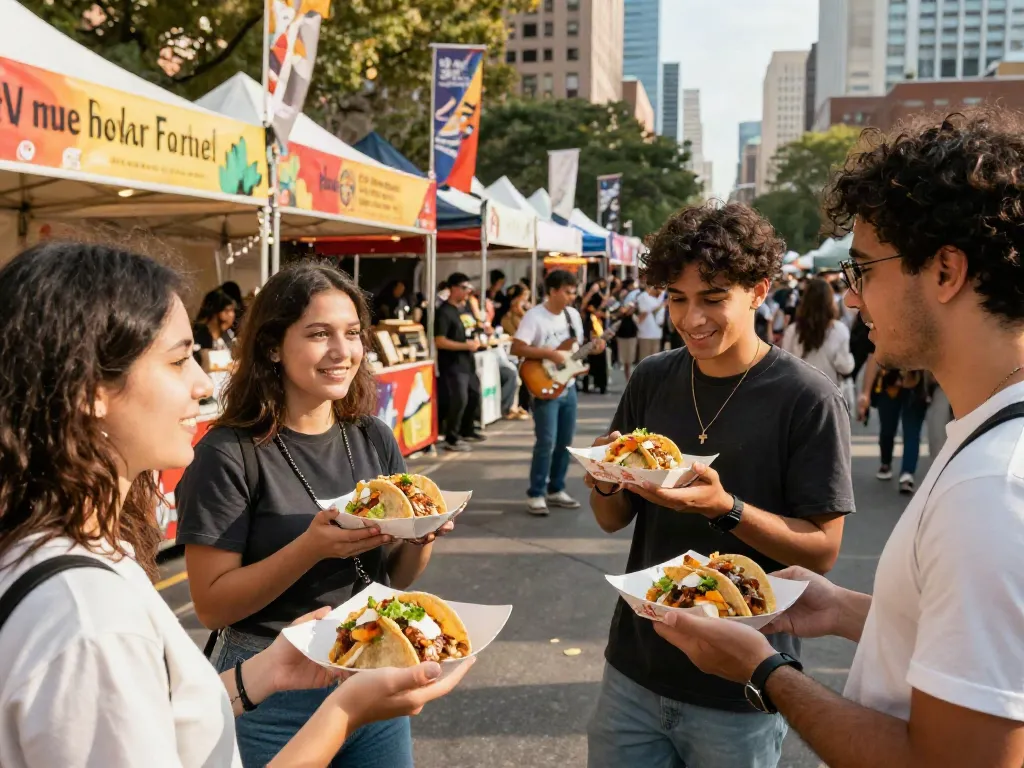
Adding entertainment—such as live music, cooking demonstrations, or themed events—can enhance the dining experience, making it enjoyable beyond the food itself. This strategy invites diners to linger longer and share their experiences with others.
Best Practices in Food Presentation
Food presentation is an art form that can elevate the dining experience. As social media plays a significant role in marketing, making dishes visually appealing is crucial for attracting customers and encouraging them to share online.
How to Make Dishes Visually Appealing: Tips and Techniques
Utilizing white space on a plate, selecting colorful ingredients, and adding garnishes thoughtfully can create visually stunning dishes. Techniques such as stacking or layering can also add dimension and intrigue to the presentation.
Utilizing Color and Texture to Enhance Presentation
Colors evoke emotions, and combining contrasting colors can create a more dynamic dish. Additionally, varying textures—such as crispy, creamy, and chewy—can make the meal more exciting and multifaceted.
Storytelling Through Food: Creating Connections
Each dish should tell a story, reflecting its cultural origins or the chef's personal experiences. Sharing these narratives can deepen the connection between the diner and the dish, making the dining experience more meaningful.
Future Trends and Innovations in Food
As we look to the future, the culinary industry is being transformed by technology and shifting consumer preferences. Chefs and restaurateurs must stay ahead of these changes to remain relevant.
Emerging Technologies Influencing Culinary Trends
Technologies such as artificial intelligence and machine learning are beginning to influence menu development and inventory management. Automated systems can help predict trends based on consumer behavior, allowing chefs to innovate more effectively.
Predictions for Food Trends in 2026 and Beyond
- Plant-Based Innovations: Expect an increase in plant-based alternatives and proteins as more consumers adopt vegan and vegetarian diets.
- Virtual Dining Experiences: With the rise of remote work and online gatherings, virtual dining experiences will continue to grow in popularity.
- Personalized Nutrition: Advances in nutritional science will lead to more personalized dining options, catering to individual dietary needs and preferences.
Advice from Industry Experts on Staying Ahead
To stay relevant in the culinary world, engage with other industry professionals, attend food festivals, and be active on social media. Networking with peers can inspire innovation and foster collaborations that drive success.
What culinary experiences should I discover in 2026?
Culinary experiences in 2026 will continue to focus on sustainability, health, and interactivity. Look for local pop-up events, farm-to-fork dining, and interactive cooking classes that engage both the palate and the senses.
How do I create an engaging food festival?
To create an engaging food festival, curate diverse food options, provide entertainment, and include interactive workshops. Collaborating with local chefs and farmers will enhance authenticity and community involvement.
What are the best local cuisines to explore?
Exploring local cuisines means digging deeper into regional specialties that reflect the area's history and culture. Take time to discover hidden gems and mom-and-pop restaurants that showcase these culinary traditions.
How can I balance nutrition with flavor in meals?
Balancing nutrition and flavor requires creativity in sourcing ingredients and experimenting with cooking methods. Incorporating whole foods and seasonal ingredients while using herbs and spices effectively can create meals that are both healthy and delicious.
What trends should I watch for in the food industry?
Stay attentive to trends such as plant-based eating, sustainable sourcing, and technology integration in dining. These trends will shape consumer expectations and culinary innovations in the coming years.