Understanding Roof Cleaning
What is Roof Cleaning?
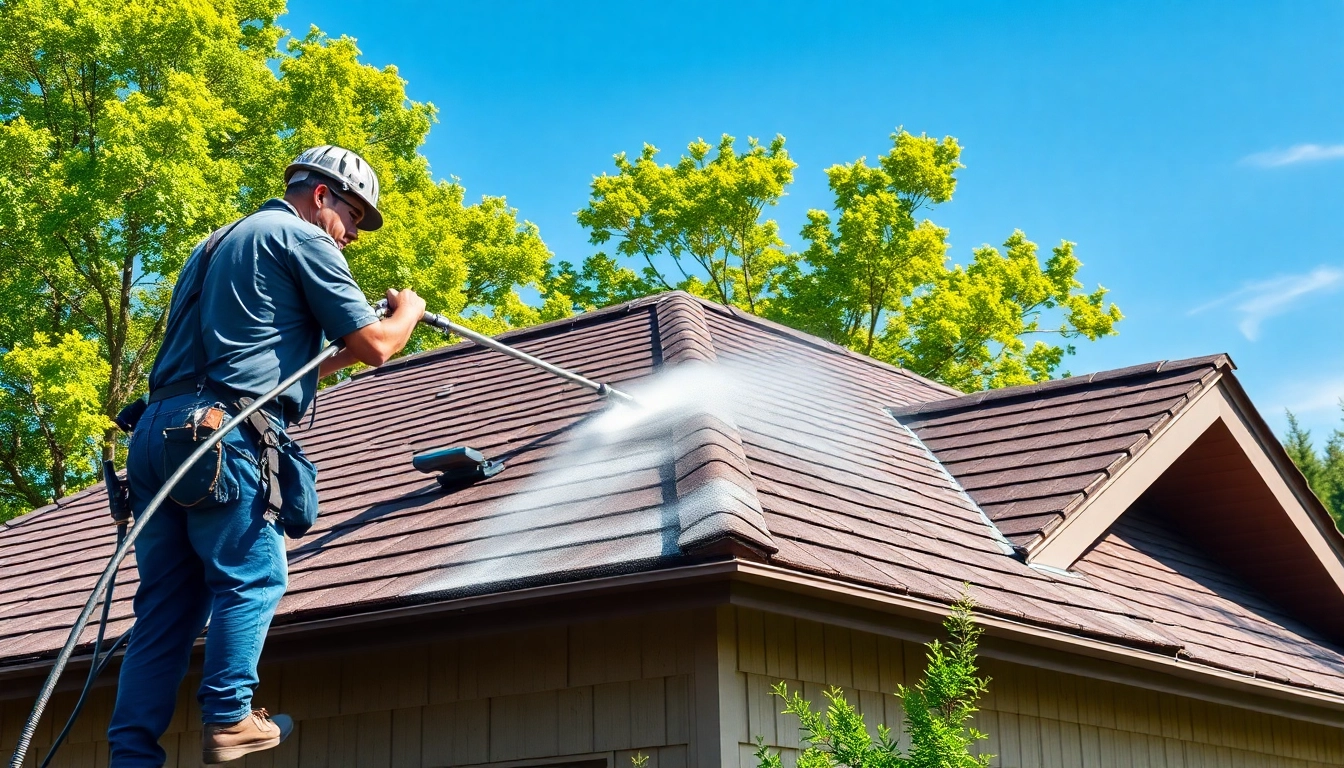
Roof cleaning involves the removal of dirt, debris, moss, algae, and other materials that accumulate on the roof over time. This practice is essential for maintaining the aesthetic appeal and extending the lifespan of roofing materials. Using various techniques such as pressure washing, soft washing, and chemical treatments, professionals ensure that your roof remains in top condition. Regular Roof Cleaning is not just about improving appearance; it also prevents damage caused by organic growth and debris accumulation.
Benefits of Regular Roof Cleaning
Engaging in regular roof cleaning offers several benefits:
- Prolonged Roof Lifespan: Clean roofs avoid decay and damage from algae, moss, and lichen, extending their service life significantly.
- Aesthetic Appeal: A clean roof enhances the overall look of a home, improving both curb appeal and property value.
- Energy Efficiency: Dirt and debris can trap heat and reduce insulation properties, leading to higher energy costs. A clean roof helps maintain energy efficiency.
- Preventing Damage: Regular cleaning prevents issues like leaks and mold growth, which can lead to costly repairs if left unchecked.
Common Cleaning Methods
Several methods are commonly used for roof cleaning, each with its own benefits and disadvantages:
- Pressure Washing: This method uses high-pressure water to blast away dirt and debris. While effective, it can damage some roofing materials and should be used with caution.
- Soft Washing: A safer alternative, soft washing employs low-pressure water and specialized cleaning solutions to eliminate organic growth without harming the roof's surface.
- Chemical Cleaning: Involves applying a mixture of chemicals to eliminate mold, algae, and other contaminants. It’s effective but should be performed by professionals to avoid environmental damage.
Identifying the Need for Roof Cleaning
Signs Your Roof Needs Cleaning
Many homeowners might wonder when to clean their roofs. Here are some indicators:
- Visible Algae or Moss: Discoloration from algae or the presence of moss is a clear sign that your roof requires attention.
- Debris Accumulation: If you notice leaves, twigs, or other debris accumulating on the roof, it’s time to consider cleaning to prevent water pooling.
- Water Stains: Stains on the interior ceilings and walls might indicate a clogged gutter or a roof problem that could worsen with neglect.
Evaluating Your Roof's Condition
To gauge whether your roof needs cleaning, conduct a visual inspection. Look for:
- Cracks or damaged shingles that expose the underlay to weather conditions.
- Missing shingles or sections that require replacement, which can become more apparent with a clean surface.
- Signs of discoloration, which could indicate the presence of unwanted growth.
Impact of Environmental Factors
Your roof is constantly exposed to environmental elements which can hasten wear and tear. Consider these factors:
- Humidity and Rain: These conditions promote mold and mildew growth, making regular cleaning imperative in humid areas.
- Nearby Trees: Trees can shade your roof and drop leaves and branches, which can retain moisture and enable moss growth.
- Pollution: Dust and pollution can mask your roof over time, necessitating a thorough cleaning more often in urban areas.
Choosing the Right Roof Cleaning Service
What to Look for in a Service Provider
Selecting a roof cleaning service is crucial for ensuring the health of your roof. Here are key factors to consider:
- Experience: Look for companies with a solid track record and experience in roof cleaning.
- Safety Protocols: Ensure they follow proper safety standards and are insured to protect both workers and your property.
- Methods Used: Inquire about the cleaning methods employed, preferring approaches that minimize damage to your roofing materials.
Questions to Ask Before Hiring
Before proceeding with a service, consider asking:
- What specific cleaning methods do you use?
- Can you provide references from previous clients?
- What types of insurance do you carry, and can you show proof of these policies?
Reading Reviews and Testimonials
Online reviews and testimonials can provide valuable insight into the reliability and quality of a service. Look for feedback on:
- Customer satisfaction with the cleaning results.
- The professionalism and conduct of staff.
- Follow-up service or warranties provided post-cleaning.
DIY Roof Cleaning: Tips and Tricks
Essential Tools for DIY Cleaning
If you opt for a DIY approach to roof cleaning, here are tools you’ll need:
- Garden sprayer or pump sprayer for applying cleaning solutions.
- Soft-bristle brush for scrubbing stubborn stains.
- Safety gear, including gloves and goggles, for protection.
Step-by-Step Guide to Roof Cleaning
To effectively clean your roof yourself, follow these steps:
- Ensure safety by using a stable ladder and securing your footing.
- Clear any debris from the roof’s surface and gutters.
- Prepare a cleaning solution (commercial or homemade) and test it on a small area.
- Apply the solution, letting it sit to kill moss and algae before scrubbing.
- Rinse thoroughly to ensure no cleaning solution residue remains.
Safety Precautions While Cleaning Roof
Prioritize safety during any roof cleaning project. Always:
- Wear appropriate footwear with good traction.
- Work with a partner or someone on the ground for assistance.
- Be cautious of slick surfaces, especially when wet.
- Never attempt cleaning in inclement weather.
Frequently Asked Questions About Roof Cleaning
How Much Does Roof Cleaning Cost?
The cost varies based on roof size, condition, and location, typically ranging from $150 to $500. An estimate allows for budgeting and is worth considering.
Is Roof Cleaning Necessary?
Yes, regular roof cleaning is essential to prevent damage from organic growth and maintain the roof's integrity and appearance over time.
What Are the Risks of Not Cleaning Your Roof?
Neglecting roof cleaning can lead to deterioration, leaks, and costly repairs, potentially shortening the life of your roof significantly.
Can I Clean My Roof Myself?
Yes, you can clean your roof yourself with appropriate tools and safety precautions, but professional cleaning is often recommended for extensive issues.
How Often Should I Clean My Roof?
It's advisable to clean your roof every 1-3 years, depending on your environment and the type of roofing material. Regular inspections can help determine needs.