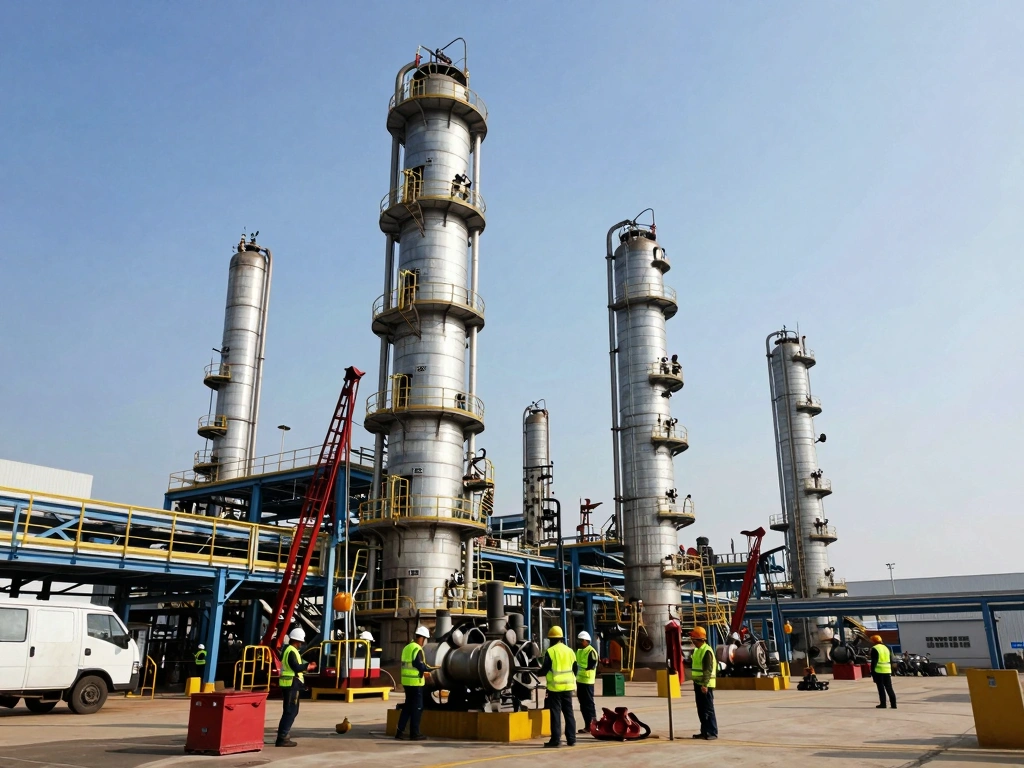
Understanding Construction Safety Training Southern California
In the rapidly evolving construction industry, prioritizing safety has never been more critical. Construction jobs can be inherently dangerous, with potential hazards that can lead to serious accidents or fatalities. To mitigate these risks, construction safety training southern california is essential in ensuring that workers are well-equipped to handle the challenges they face on-site. This article provides in-depth insights into the importance of safety training, key components of effective programs, common workplace hazards, best practices for implementation, and answers to frequently asked questions about safety training.
The Importance of Safety Training
Safety training serves as the backbone of a secure construction environment. It educates workers about the various risks associated with their jobs and the safety protocols that reduce those risks. Beyond simply complying with regulations, safety training fosters a culture of safety that encourages workers to look out for themselves and their colleagues. A well-trained workforce can significantly decrease the rate of accidents, ultimately saving lives and protecting the financial interests of companies through reduced liability and work stoppages.
Legal Requirements and Regulations
In Southern California, construction companies must comply with both state and federal regulations regarding safety training. Occupational Safety and Health Administration (OSHA) standards dictate training requirements based on various job functions and potential hazards. Employers are legally obligated to provide a safe working environment, which includes training that meets or exceeds these regulations. Non-compliance can lead to severe penalties, including fines and work stoppages, highlighting the need for comprehensive training programs tailored to specific site demands.
Types of Training Available in the Area
There are several types of safety training available in Southern California. These include:
- OSHA 10 and 30-Hour Training: Basic awareness courses covering general safety and health topics.
- Hazardous Materials Training: Specialized training for workers handling hazardous substances.
- Fall Protection Training: Training on how to prevent fall-related accidents.
- Scaffold Safety Training: Instruction specific to working safely with scaffolds.
- Emergency Response Training: Preparing workers for potential emergencies on-site.
Key Components of Effective Training Programs
Course Content and Structure
An effective safety training program must cover critical topics relevant to the specific construction site. This includes not only general safety protocols but also site-specific hazards, emergency procedures, and preventive measures. A well-structured program typically begins with an introduction to safety policies, followed by detailed modules on identifying hazards, using personal protective equipment (PPE), and executing emergency drills.
Training Methods: In-Person vs. Online
When it comes to delivering safety training, a variety of methods can be employed. In-person training allows for hands-on learning and real-time engagement with instructors. However, online training offers flexibility and can be easily scaled to accommodate larger groups. Many organizations find a hybrid approach to be effective, allowing for theoretical knowledge online while reinforcing practical applications in the field.
Assessment and Certification
To ensure the effectiveness of safety training, assessments should be integrated throughout the training program. These assessments can take various forms, including quizzes, hands-on demonstrations, and skill evaluations. Upon successful completion of training courses, certification is often awarded, providing employees with credentials that validate their competency in safety practices.
Common Hazards in Construction Workplaces
Identifying Potential Risks
Construction sites pose numerous hazards, which may include:
- Falls from heights
- Slips, trips, and falls
- Electrical hazards
- Heavy machinery accidents
- Exposure to harmful substances
Identifying these risks before they result in accidents is crucial. Regular site inspections and risk assessments play a vital role in recognizing hazards that may not be immediately apparent, enabling timely interventions.
Emergency Response Procedures
Every construction site must have a comprehensive emergency response plan. Training workers to respond effectively to emergencies—such as fires, medical situations, or natural disasters—can save lives. Regular drills should be conducted to familiarize employees with evacuation routes, emergency protocols, and first aid measures.
Preventative Measures and Safety Gear
Utilizing the appropriate safety gear is essential in preventing workplace accidents. This can include gloves, hard hats, safety goggles, and high-visibility clothing. Additionally, implementing preventative measures such as regular equipment maintenance, safety signage, and clear communication protocols can significantly reduce risks onsite.

Best Practices for Safety Training Implementation
Engaging Workers in the Learning Process
Engagement is crucial for the effectiveness of safety training programs. Involving workers in discussions about safety helps to personalize the training experience. Practicing role-playing scenarios and using real-life examples can make the training relatable and memorable.
Monitoring and Evaluating Training Outcomes
To gauge the success of your safety training, monitoring and evaluating the program is necessary. Track incidents and near-misses post-training, and survey employees to gather feedback on the training’s relevance and efficacy. Using this data, organizations can adjust training initiatives accordingly, ensuring a focus on continuous improvement.
Continuous Improvement Strategies
Safety protocols should never be static. Regularly updating training content to reflect new regulations or emerging safety technologies ensures that workers remain well-informed. Establishing a feedback loop where employees can voice concerns and suggest improvements fosters a proactive safety culture that can lead to better outcomes in the long run.
Frequently Asked Questions About Training
What are the costs associated with training?
The cost of safety training can vary widely depending on the type, duration, and provider. Budgeting for both initial training and ongoing refreshers is essential for long-term safety compliance.
How long does safety training last?
The duration of safety training programs can range from a few hours to several days, depending on the complexity of the material being covered. Most certifications require a refresher every few years to maintain compliance.
Are there specific certifications needed?
Yes, certain roles require specialized certifications based on the tasks performed, such as OSHA certifications. Employers should ensure that workers receive proper training relevant to their job functions.
What roles require mandatory training?
Generally, all construction workers must undergo safety training. Specific roles requiring mandatory training may include equipment operators, electricians, and supervisors who manage teams on-site.
How often should training be refreshed?
It's recommended to refresh safety training annually or biennially, particularly when significant changes occur in safety protocols, equipment, or regulations. Regular refreshers help maintain a high safety standard.