Understanding Packaging Design
What is Packaging Design?
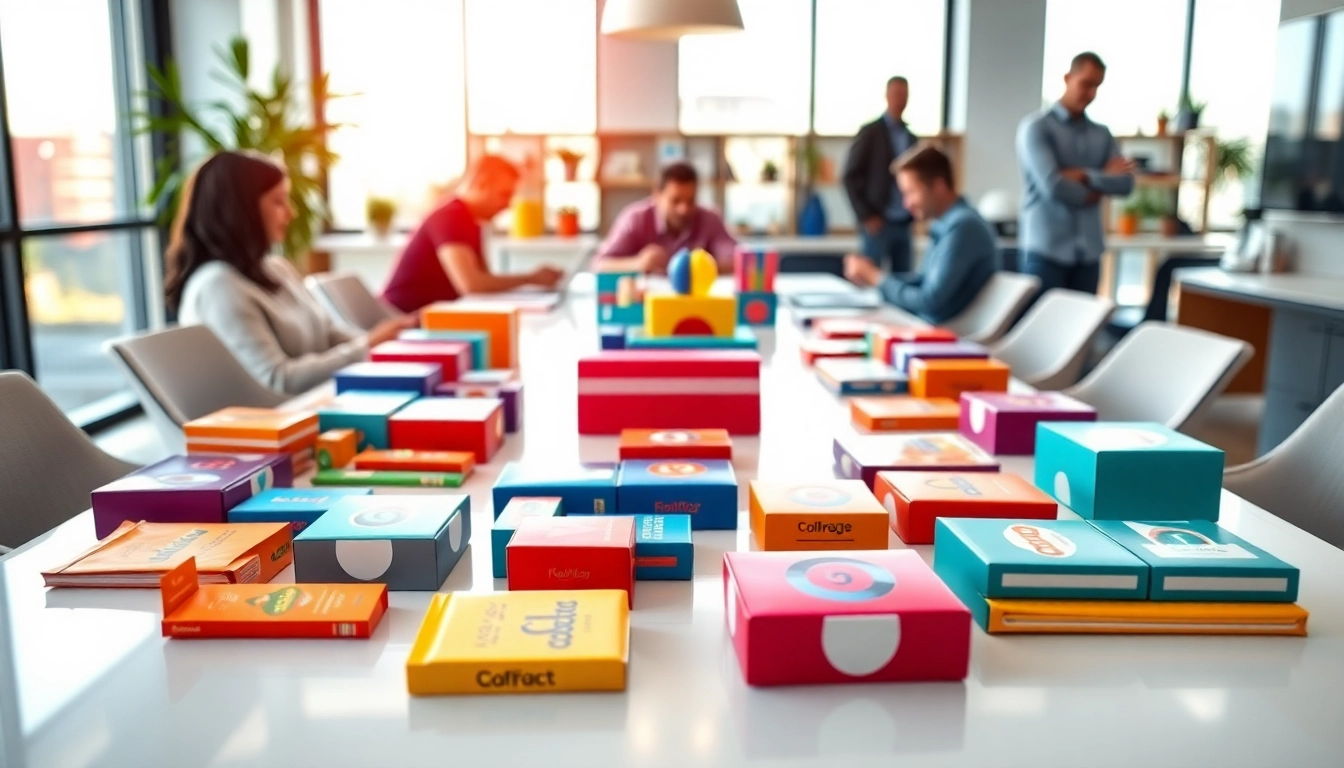
Packaging design encompasses the creation of the exterior of a product, integrating aesthetics, functionality, and information to assist in promoting and protecting it. It's more than just making a product look good; it's about understanding the brand, the target audience, and how to effectively communicate the product's benefits. An effective packaging design can captivate consumers at first glance, effectively conveying brand messages and enhancing the unboxing experience.
The Importance of Effective Packaging
Effective packaging serves as a silent salesperson. It is critical in differentiating products in a saturated market, fostering brand recognition, and conveying the product's quality. Good packaging appeals to the senses, creates emotional connections, and can even influence consumer decision-making. The right packaging can enhance usability, encourage repeat purchases, and establish a strong brand identity. Recognizing the importance of packaging is essential for businesses aiming to make a lasting impression.
Elements of Successful Packaging Design
Several key elements make up successful packaging design:
- Color: Color psychology plays a vital role in branding and consumer recognition. It can evoke feelings or associations with the product.
- Typography: The font style should reflect the brand's personality and maintain legibility to convey important information clearly.
- Material: The choice of materials impacts not only aesthetics but also sustainability, cost, and protection.
- Structure: The form of the packaging must ensure product safety and facilitate easy handling.
Roles of a Packaging Design Agency Melbourne
How a Packaging Design Agency Improves Branding
A packaging design agency Melbourne enhances branding by creating packaging that aligns with brand values. They conduct market research to understand consumer preferences and competitors, allowing brands to stand out effectively. Through experiential design, agencies can transform packaging into a storytelling medium that resonates with consumers on an emotional level, thus elevating brand loyalty and recognition.
Key Services Offered by Agencies
Packaging design agencies offer a spectrum of services tailored to meet diverse client needs, including:
- Brand Strategy: Defining the brand's vision, mission, and positioning.
- Concept Development: Ideation and sketching of initial packaging concepts.
- Design Production: Finalizing design elements, color palettes, and typography.
- Prototyping: Creating physical samples to test functionality and appeal.
- Print Production: Liaising with manufacturers to ensure high-quality output.
Packaging Design Agency Collaboration Process
Collaboration with a packaging design agency typically follows this structured process:
- Discovery Phase: Understanding the client’s goals, target market, and competitors.
- Strategy Development: Crafting a strategy that outlines the design direction based on the discovery insights.
- Concept Presentation: Presenting design concepts for feedback and revisions.
- Design Refinement: Incorporating feedback and refining the design until it meets expectations.
- Final Production: Preparing files for production and ensuring quality control throughout the process.
Trends in Packaging Design
Current Design Trends in Melbourne
In Melbourne, trends in packaging design reflect a fusion of creativity and functionality. Minimalistic designs that emphasize simplicity, coupled with vibrant colors, are in vogue. Dynamic shapes and innovative functionalities, such as resealable packaging, cater to consumer convenience. Additionally, storytelling through design elements is a trend driving emotional connections with consumers, emphasizing authenticity and brand values.
Sustainable Packaging Solutions
As environmental concerns take center stage, many brands are embracing sustainable packaging solutions. This includes using biodegradable materials, reducing packaging size, and employing eco-friendly inks. Brands that adopt sustainability often see positive consumer responses, as modern consumers increasingly prioritize eco-conscious choices when selecting products.
Use of Technology in Packaging Design
The integration of technology in packaging design is revolutionizing the industry. Techniques such as augmented reality (AR) enhance the consumer experience by providing interactive elements on the packaging that educate or entertain. Moreover, digital printing technology allows for customizable designs, enabling brands to engage consumers on a personal level while maintaining cost-effectiveness for short runs.
Maximizing Impact with Design and Marketing
Integrating Packaging Design with Marketing Strategies
Integrating packaging design with overall marketing strategies is essential for a cohesive brand image. Packaging should reflect marketing efforts, maintaining consistent messaging and visual identity across platforms. Agencies can strategically align packaging elements, such as colors and slogans, with advertising campaigns for maximum impact and brand recall.
Case Studies of Successful Campaigns
A packaging design agency can leverage successful case studies to showcase their expertise. Highlighting campaigns that resulted in significant sales boosts or improved brand recognition illustrates their capability in creating effective designs. These studies typically outline challenges faced, strategies employed, creative solutions implemented, and measurable outcomes achieved, serving as inspiration and validation for prospective clients.
Measuring the Effectiveness of Packaging Design
Measuring the effectiveness of packaging design involves analyzing consumer feedback, sales data, and market research. Key performance indicators (KPIs) may include increased sales volume, improved customer engagement, and higher brand recall rates. Agencies must employ a systematic approach to assess these metrics, enabling them to continually refine their packaging design strategies based on empirical data.
FAQs about Packaging Design Agency Melbourne
What is the typical timeline for a packaging design project?
Most packaging design projects take 4 to 8 weeks based on complexity, from initial concept to final delivery.
How much does packaging design cost on average?
Costs can vary widely; on average, packaging design services range from $2,000 to $10,000 depending on project scope.
Why is brand consistency important in packaging design?
Brand consistency creates recognition and trust among consumers, enhancing marketing efforts and fostering brand loyalty.
Can packaging design influence consumer behavior?
Yes, effective packaging design grabs attention, communicates brand values, and can significantly impact purchasing decisions.
What industries benefit most from specialized packaging design?
FMCG, food, cosmetics, and beverage industries typically require specialized packaging to enhance product appeal.