Understanding the Role of Slots in E-Commerce
As the e-commerce landscape continues to evolve, understanding how to utilize various components effectively is vital for businesses aiming for success. One of the key components that can significantly influence the performance of an online store is a slot. Slots refer to designated spaces in an online store where products can be displayed to enhance visibility, organization, and attractiveness to customers. This article will delve into the significance of slots in e-commerce, best practices for implementation, challenges to overcome, performance metrics to track, and future trends to consider.
What are Slots in E-Commerce?
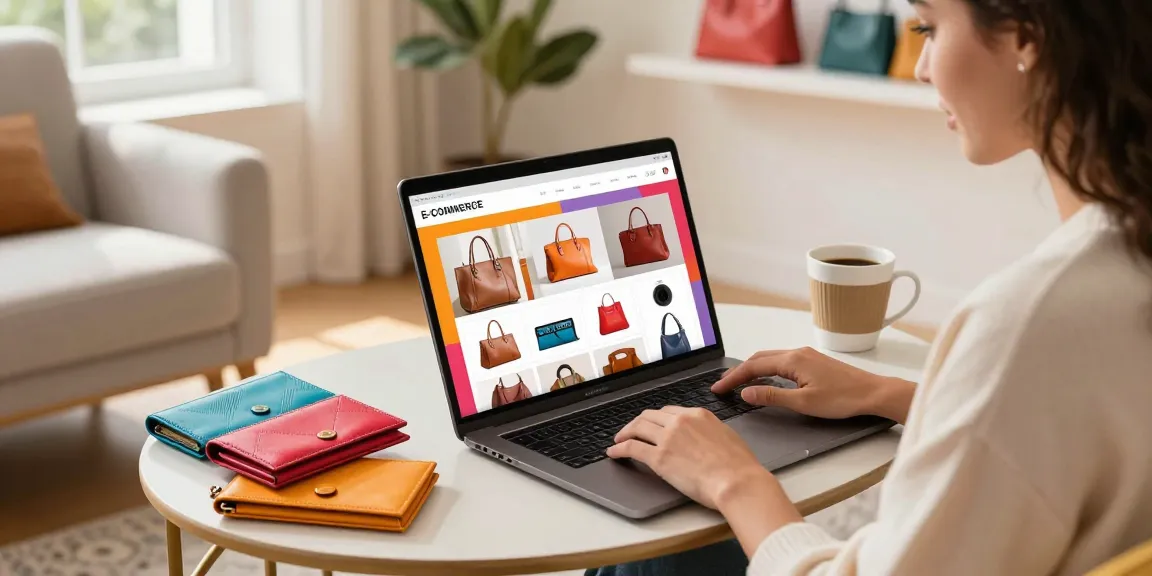
Slots in e-commerce can be defined as organized areas within an online platform where products are displayed, often categorized by various factors such as popularity, sale status, or new arrivals. These spaces serve as focal points for product visibility, allowing customers to easily find what they are looking for. An effective slot system provides a seamless browsing experience, enhancing the overall user interface.
Slots can vary greatly depending on the design of the e-commerce website. Different formats can include grid layouts, list views, or carousel displays, each providing a unique way to showcase products. These slots help in categorizing items so that potential buyers can navigate through the inventory efficiently, leading to increased engagement and higher conversion rates.
Importance of Slot Optimization for Product Visibility
Optimizing slots is crucial for ensuring that products are prominent and easily discoverable. In a sea of available options, products that are strategically placed within well-designed slots gain more attention. Slot optimization includes techniques such as adjusting the design of the slot, enhancing the visual appeal, and utilizing algorithms to determine the best product arrangement based on consumer behavior and preferences.
Furthermore, search engines also take into account how products are displayed when ranking e-commerce sites in search results. Properly optimized slots can thus lead to better SEO performance, which is essential for attracting new customers organically.
Impact on User Experience and Conversion Rates
A seamless user experience is paramount for converting visitors into buyers. Well-structured slots can enhance navigation and reduce the number of clicks required to reach a desired product, which can lead to higher conversion rates. If customers can easily find what they are looking for, they are more likely to complete a purchase.
Moreover, the layout and design of these slots can significantly affect a customer's perception of a brand. Implementing engaging designs and interactive features such as hover effects or personalized recommendations can further improve user satisfaction and loyalty.
Best Practices for Implementing Slots in Your Online Store
Key Slot Strategies to Enhance Product Discovery
To maximize the effectiveness of slots in your e-commerce store, several strategies can be employed:
- Utilize Data Analytics: Employ analytics tools to understand user behavior and preferences, allowing for informed decisions about which products to highlight in slots.
- Test Various Layouts: Regularly experimenting with different slot designs can help identify which layouts resonate best with your audience.
- Incorporate User Feedback: Gather customer feedback on their experiences navigating through your store, and adjust slot arrangements accordingly.
Techniques for Efficient Slot Management
Efficient management of slots involves constant monitoring and adjustment. Key techniques include:
- Automated Updates: Utilize systems that automate the update of slots based on inventory changes to ensure that customers always see current offerings.
- Dynamic Slot Allocation: Implement algorithms that adjust slot content based on the real-time popularity of specific products.
- Seasonal Adjustments: Regularly update slots based on seasonal trends and promotions to keep the offerings fresh and relevant.
Real-World Examples of Successful Slot Usage
Many successful e-commerce platforms have paved the way in utilizing slots effectively. For instance, Amazon frequently adjusts its product slots based on real-time user data and sales metrics, ensuring that customers are always presented with the most relevant products. Similarly, Shopify stores often implement visually appealing slot designs that highlight products effectively, leading to increased sales volume.
Common Challenges and Misconceptions about Slots
Overcoming Technical Barriers in Slot Integration
One of the primary challenges in slot implementation is the technical barrier associated with integrating slots into the existing e-commerce platform. Many businesses may struggle with coding, layout adjustments, and ensuring that slots function correctly across different devices. It is essential to collaborate with experienced web developers or utilize platforms that simplify the integration process.
Addressing Misconceptions about User Preferences
Another common misconception is that all consumers prefer a single type of slot design. However, user preferences can vary widely across demographics. Conducting user research and testing can help businesses understand their target audience better and implement slots that cater specifically to those preferences.
How to Avoid Pitfalls in Slot Implementation
To avoid pitfalls in slot implementation, it is crucial to avoid overcrowding slots with too many products, which can overwhelm customers. Focus on quality over quantity, showcasing the best-sellers or most relevant items instead. Additionally, consistent A/B testing is vital to continually refine slot designs and layout based on engagement metrics.
Tracking Performance Metrics for Slots
Identifying Key Performance Indicators for Slots
Tracking the performance of slots is essential for understanding their effectiveness. Key Performance Indicators (KPIs) include:
- Click-Through Rate (CTR): Measures how many users clicked on products within slots compared to total views.
- Conversion Rate: Tracks how many users completed a purchase after interacting with a slot.
- Engagement Time: Assesses how long users spend interacting with products in slots.
Tools and Techniques for Measuring Slot Efficacy
Utilizing tools such as Google Analytics, heatmaps, and user session recordings can provide insights into how effectively your slots are functioning. These tools help visualize user interactions, allowing for more strategic adjustments tailored to user behavior.
Adjusting Strategies Based on Performance Data
Once performance metrics are tracked, it is crucial to make data-driven decisions to enhance slot performance. For example, if certain products consistently underperform in visibility, it may be beneficial to adjust their placement or representation within the slot. Regularly revisiting performance data will ensure that strategies remain relevant and effective.
Future Trends in Slot Utilization for E-Commerce
Emerging Technologies Shaping Slot Strategies in 2026
As we move toward 2026, emerging technologies such as artificial intelligence (AI) and machine learning are expected to play a major role in optimizing slots. AI can assist in personalizing the user experience by dynamically adjusting what products are displayed based on past behaviors and preferences. This level of customization will likely lead to increased engagement and conversion rates.
Predictions for Changes in Consumer Behavior
Consumer behavior is continuously evolving, with trends indicating a shift towards more immersive shopping experiences. As augmented reality (AR) and virtual reality (VR) technologies become more mainstream, the design and interactivity of slots will also need to adapt to cater to these new shopping methods.
Innovative Approaches to Slot Design and Functionality
Innovative approaches to slot design will likely involve greater interactivity and user engagement. For more information, sbobet login offers valuable insights. This could mean incorporating video content, dynamic elements that change based on user interaction, or personalized recommendations that provide a tailored shopping experience.