Understanding Integrated Modular Systems
Integrated modular systems represent a revolutionary approach to water treatment, combining various components into a cohesive, efficient solution. These systems are designed to address a wide array of water-related challenges by offering a flexible and scalable infrastructure. Businesses looking to optimize their water management processes can greatly benefit from exploring options like Integrated Modular Systems, which ensure that both operational efficiency and environmental considerations are met.
What are Integrated Modular Systems?
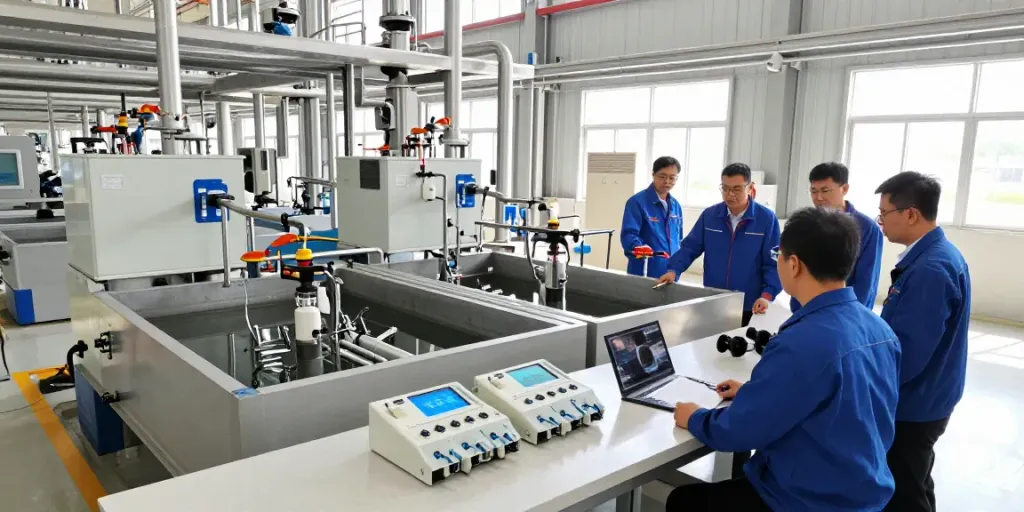
Integrated modular systems refer to a design methodology where different functional modules are combined into a single system. This method streamlines processes, reduces redundancies, and enhances the overall performance of water treatment solutions. Within the scope of water treatment, these systems can include various components, such as filtration units, chemical dosing systems, and dewatering technologies, all tailored to meet the specific needs of users.
Key Components and Their Functions
- Integrated Membrane Water Treatment System: This system employs advanced membrane technology to effectively eliminate contaminants from water, providing high-quality purified water suitable for various applications.
- Chemical Treatment System: It involves the precise dosing of chemicals to treat water for specific contaminants and pH adjustments, ensuring compliance with health and safety regulations.
- DAF Integrated Treatment System: The Dissolved Air Flotation (DAF) system is designed to separate suspended solids from water, particularly effective in wastewater applications.
- Sludge Dewatering Modular System: This system reduces the volume of sludge generated during treatment, optimizing disposal and handling processes.
Comparative Advantages Over Traditional Systems
Traditional water treatment systems often rely on standalone components that may not efficiently communicate or integrate with each other. In contrast, integrated modular systems provide several advantages:
- Increased Efficiency: By combining multiple functionalities, these systems minimize downtime and enhance the speed of operations.
- Enhanced Customization: Modular systems allow for easy upgrades and modifications based on specific treatment needs and regulatory changes.
- Cost Reduction: The streamlined operation leads to lower maintenance costs and improved resource management.
The Benefits of QILEE’s Integrated Modular Systems
Efficiency in Water Treatment Operations
One of the primary benefits of QILEE's integrated modular systems is their ability to improve operational efficiency. By utilizing a cohesive setup, these systems significantly reduce energy consumption and operational costs, leading to an overall more sustainable water treatment process.
Customization Options for Specific Water Challenges
Each industrial application faces unique water challenges, from high turbidity levels to chemical contaminants. QILEE’s integrated modular systems are designed to be customizable, allowing clients to select and combine functionalities that specifically address their treatment needs. This tailored approach ensures that businesses get effective solutions without unnecessary features that may increase costs.
Cost-Effective Solutions for Businesses
Investing in integrated modular systems can provide substantial long-term savings. Reduced operational costs, coupled with the ability to optimize resources, allows businesses to allocate their budgets more effectively. Moreover, the efficient nature of these systems often leads to a quicker return on investment as operational efficiencies translate into lower utility bills and maintenance costs.
Applications of Integrated Modular Systems
Industrial Wastewater Treatment
Industrial applications often generate wastewater containing a variety of pollutants. Integrated modular systems can be employed to efficiently treat this wastewater, ensuring that it meets environmental standards before discharge. Industries, ranging from manufacturing to mining, benefit greatly from tailored systems that handle their specific waste profiles.
Residential Water Purification
In residential settings, integrated modular systems provide effective water purification solutions, ensuring that homeowners have access to clean and safe drinking water. These systems can be compact and designed to fit within limited spaces while still delivering high-quality treatment performance.
Agricultural Water Management Solutions
Agriculture relies heavily on effective water management for irrigation and livestock. Integrated modular systems can help manage water resources more sustainably, improving both water quality and availability while optimizing agricultural productivity. Solutions can be customized to address specific irrigation needs, soil conditions, and crop requirements.
Challenges in Implementing Integrated Modular Systems
Common Misconceptions and Realities
One common misconception about integrated modular systems is that they are too complex or costly for smaller operations. However, these systems are designed to be scalable, making them applicable for a range of business sizes and needs. Understanding the flexibility of these systems is crucial in recognizing their value.
Technical Obstacles and Solutions in Setup
While integrating modular systems can present technical challenges, such as ensuring compatibility between different modules, these can often be mitigated through proper planning and consultation with experienced providers like QILEE. Thorough training and support during the implementation phase can help overcome these initial hurdles.
Regulatory Compliance and Standards
Compliance with local and international water treatment regulations is essential for all water treatment systems. Integrated modular systems can be engineered to meet these standards, but it requires careful consideration during the design phase.
Future Trends in Integrated Modular Systems
Technological Innovations Expected by 2026
As technology evolves, so too do integrated modular systems. Innovations such as IoT integration, advanced algorithms for operational optimization, and enhanced modular designs are expected to drive the next wave of improvements in water treatment technology. These advancements will help systems become even more efficient and easier to manage.
Market Growth and Demand Projections
Industry experts predict significant growth in the demand for integrated modular systems over the next few years, driven by increasing regulatory pressures and the need for sustainable water management solutions. Businesses that act now to adopt these systems may find themselves at the forefront of this growing market.
The Role of Sustainability in Future Designs
As environmental concerns continue to rise, the importance of sustainability in design cannot be overstated. Future integrated modular systems will place a strong emphasis on reducing energy consumption, water waste, and chemical use, aligning with global sustainability goals.
What Are the Main Advantages of Integrated Modular Systems?
The main advantages of integrated modular systems lie in their efficiency, adaptability, and cost-effectiveness. They streamline operations, reducing the need for multiple standalone systems, thereby optimizing resources and reducing operational costs across the board.
How Do Integrated Modular Systems Compare to Traditional Systems?
Integrated modular systems offer superior flexibility and efficiency compared to traditional water treatment systems, which often lack the ability to scale or adapt to changing conditions. These modular systems can be easily expanded or upgraded as needs evolve, ensuring long-term value for businesses.
What Industries Benefit Most from Integrated Modular Solutions?
Industries such as manufacturing, healthcare, and agriculture greatly benefit from integrated modular solutions. Each of these sectors faces unique water challenges that can be effectively addressed through tailored modular systems.
What Are Current Trends in Water Treatment Technology?
Current trends in water treatment technology include the adoption of smart water management systems, enhanced filtration technologies, and the integration of AI for predictive maintenance and operational efficiency. Staying ahead of these trends is vital for any business looking to optimize its water treatment processes.
How to Choose the Right Integrated Modular System?
Selecting the right integrated modular system involves evaluating your specific water treatment needs, potential future demands, and budget constraints. Working with experienced manufacturers like QILEE can help ensure that businesses make informed decisions that align with their operational goals.