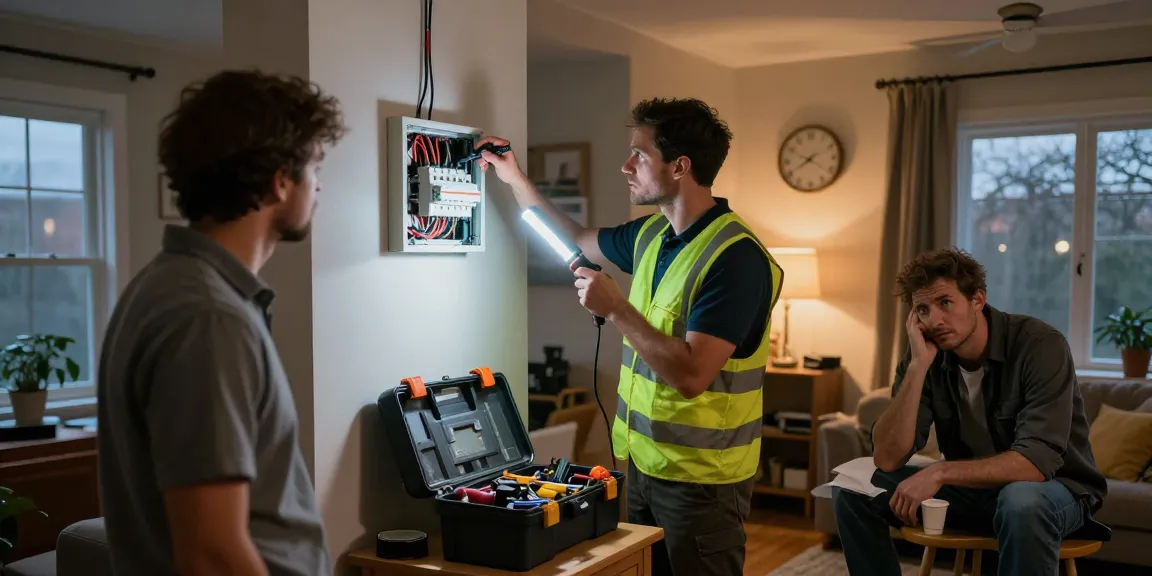
Understanding the Role of Emergency Electricians
In a world where electricity powers nearly every aspect of our lives, the role of emergency electricians has become increasingly critical. These specialized professionals are not just skilled tradespeople; they are the first responders in electrical crises, ensuring safety and restoration when the stakes are high. A proficient emergency electrician is equipped to handle various urgent situations, from power outages to hazardous electrical issues, thereby safeguarding homes and businesses alike. If you want to learn more about the significance of their role, you’re in the right place.
What Does an Emergency Electrician Do?
An emergency electrician is responsible for diagnosing and resolving electrical problems that pose immediate risks. Their expertise allows them to tackle everything from faulty wiring and blown fuses to more severe issues such as electrical fires. Emergency electricians are on call 24/7, ready to respond to alarms and emergencies with speed and precision. They conduct thorough inspections, provide necessary repairs, and ensure compliance with safety regulations, making them indispensable in crisis situations.
Common Scenarios Requiring Emergency Services
- Power Outages: Sudden loss of power can disrupt daily routines and safety.
- Electrical Shocks: Any incident involving a shock requires immediate attention.
- Flickering Lights: This often indicates underlying electrical issues.
- Sparking Outlets: A sign of potential fire hazards that must be addressed.
- Burning Smells: Odors from outlets or appliances can signal serious risks.
Importance of Rapid Response Times
When it comes to electrical emergencies, every second counts. Delays in response can lead to worsening conditions, increased repair costs, and even potential injury. Emergency electricians are trained to prioritize jobs based on urgency, ensuring that high-risk situations are handled promptly. This aspect of their role not only minimizes damage but also protects lives.
Identifying Electrical Emergencies
Signs You Need Immediate Electrical Help
Recognizing the signs of an electrical emergency can save lives. Homeowners should be vigilant for symptoms such as:
- Unusual sounds from electrical panels or outlets, such as buzzing or crackling.
- Frequent circuit breaker trips, indicating an overload or fault.
- Inconsistent power supply, resulting in appliances malfunctioning.
- Visible damage, like charred or melted wires.
Analyzing the Risks of Delayed Repairs
Neglecting electrical issues can have dire consequences. Beyond the obvious safety hazards, delays can lead to extensive property damage, higher repair costs, and prolonged discomfort due to power loss. Furthermore, unresolved electrical anomalies can set the stage for larger-scale emergencies, including fires or permanent damage to electrical systems.
Common Misconceptions about Electrical Emergencies
Many people hold misconceptions about electrical emergencies, often attributing them to faulty appliances or believing they can wait until regular business hours for repair. However, electrical problems can escalate quickly, and it’s crucial to approach them with urgency. Understanding these myths can empower homeowners to take appropriate action and seek help when necessary.
Preparation for Electrical Emergencies
How Homeowners Can Prepare for Power Failures
Preparation is key to mitigating the impacts of power failures. Homeowners should consider investing in surge protectors, backup generators, and battery-operated lights to ensure safety and comfort during outages. Regularly testing electrical systems and creating a household emergency plan can also prove invaluable in crisis situations.
Essential Tools Every Emergency Electrician Should Have
- Insulated screwdrivers and pliers for safety.
- Multimeters for diagnosing electrical issues.
- Circuit testers to verify power flow.
- Flashlights and headlamps for visibility during outages.
- PVC tape and electrical tape for quick fixes.
Emergency Contacts: Building a Reliable Network
Having a reliable network of emergency contacts is essential for both homeowners and electricians. Establish relationships with local emergency services, your electrician, and utility providers to streamline responses in times of need. Creating a list of essential contacts can simplify communication during emergencies.
Best Practices for Handling Electrical Emergencies
Step-by-Step Guide to Addressing Power Outages
When faced with a power outage, follow these steps:
- Check the breaker panel for tripped circuits.
- Inspect your home and appliances for visible issues.
- Contact your utility provider to report the outage.
- If necessary, call an emergency electrician for professional help.
- Keep communication lines open with family members about the status.
Safety Protocols During Electrical Repairs
Safety is paramount when addressing electrical issues. Always ensure power is turned off at the breaker before starting repairs, use insulated tools, and maintain a clear workspace. Wearing appropriate personal protective equipment (PPE), such as gloves and safety glasses, is crucial to avoid injuries.
Communicating Effectively with Clients
For emergency electricians, clear communication is vital. When dealing with clients, ensure that you explain the issues and repairs in layman’s terms. Providing updates throughout the process helps to build trust and ensures that clients feel secure in the work being done.
Future Trends in Emergency Electrical Services
Technological Advancements Impacting the Industry
As we approach 2026, advancements in technology are poised to transform emergency electrical services significantly. Innovations like smart home systems that monitor electrical usage and alert homeowners to issues in real-time are becoming the norm. These technologies enhance not just safety but also efficiency in handling emergencies.
Predictions for Emergency Electrical Services in 2026
The future of emergency electrical services will likely see an increase in automation and the use of AI for diagnosing problems. Predictive maintenance tools and enhanced customer service technologies will enable quicker responses and more efficient resolutions. Electricians will increasingly rely on data analytics to inform their service delivery.
How Emerging Technologies Improve Response Times
Emerging technologies promise to enhance response times for emergency electricians. For instance, the integration of mobile apps allows clients to report issues instantly, while GPS tracking systems help electricians navigate to job sites more efficiently. These innovations significantly reduce the time from alert to resolution.
What are Common Electrical Emergency FAQs?
Homeowners frequently have questions regarding electrical emergencies. Some of the most common include:
- What constitutes an electrical emergency?
- How do I know if I need an electrician immediately?
- What steps can I take to ensure safety before help arrives?
Tips for Choosing the Right Emergency Electrician
When selecting an emergency electrician, consider factors such as credentials, experience, availability, and reviews from past clients. Verify that they are licensed and insured to ensure they meet industry standards and can handle emergencies effectively.
How to Ensure Electrical Safety in Your Home?
To ensure electrical safety, conduct regular inspections, avoid overloading circuits, and replace any frayed or damaged wiring. Installing smoke detectors and carbon monoxide alarms also provides essential alerts in case of emergencies.
What Should I Do During a Power Outage?
During a power outage, stay calm, conserve battery life on devices, and avoid opening the refrigerator to keep food cold. If the power does not return in a reasonable time, consider contacting your utility provider or an emergency electrician.
How Can I Prevent Future Electrical Emergencies?
Preventing electrical emergencies involves proactive measures, such as routine maintenance, updating old wiring, and installing ground fault circuit interrupters (GFCIs). Educating everyone in the household about electrical safety can also reduce risks.
What are the Costs Associated with Emergency Electrical Work?
The costs of emergency electrical work can vary based on the complexity of the issue, time of the service, and location. While emergency services often carry a premium, the investment is dwarfed by the potential costs associated with neglecting electrical problems.