
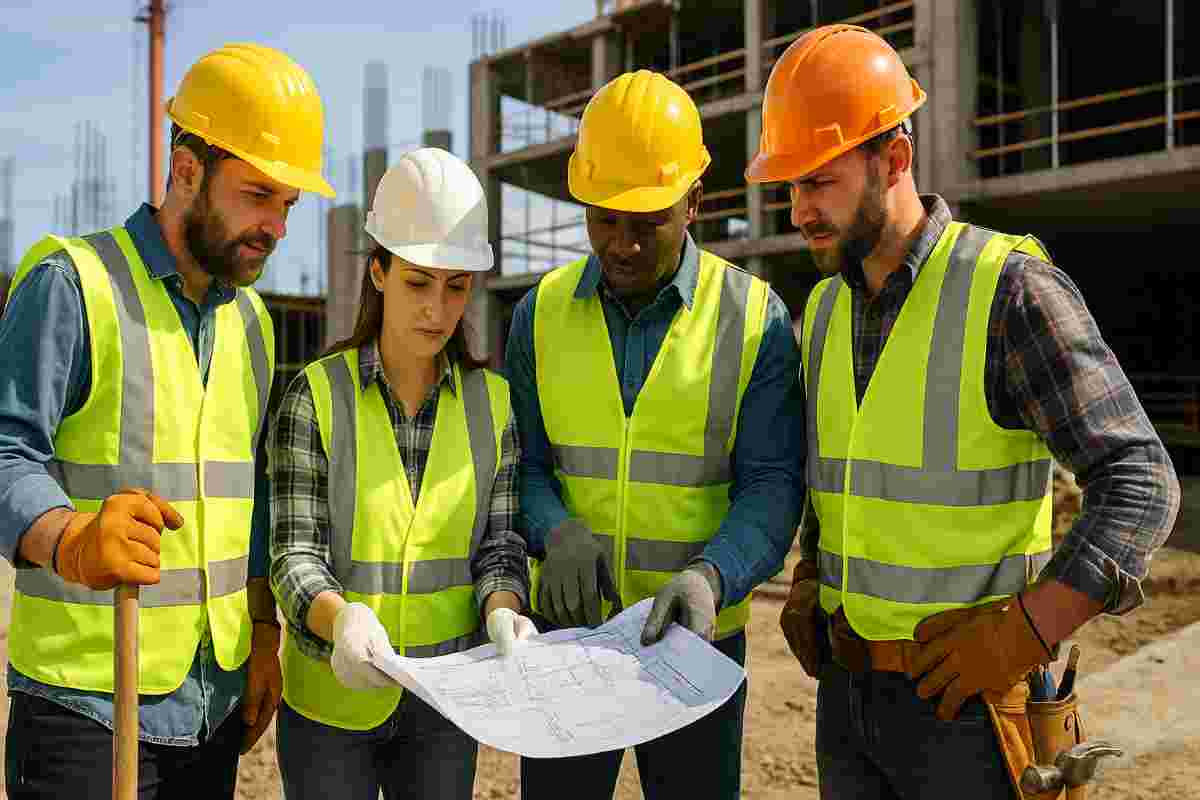
Construction projects across Tennessee require careful planning, skilled workers, and strong safety practices to achieve successful results. Work zones often involve heavy equipment, changing traffic patterns, active machinery, and multiple teams working together under demanding conditions. Creating a secure environment protects employees, drivers, visitors, and the overall progress of a project. For companies focused on responsible operations, work zone safety tennessee contractors rely on has become an essential part of maintaining productivity and preventing avoidable incidents.
A strong safety culture begins with understanding potential hazards before work begins. Contractors who prioritize preparation, communication, and proper training create safer job sites where workers can perform confidently. Effective safety measures also help construction companies maintain compliance with industry expectations while building a reputation for reliability and professionalism.
Building a Strong Safety Culture Across Construction Projects
Every successful construction project starts with a commitment to protecting people. Safety should not be viewed as a simple requirement but as a daily responsibility shared by supervisors, workers, and project managers. When everyone understands their role, hazards can be identified quickly and managed before they become serious problems.
The foundation of work zone protection includes clear communication, regular safety discussions, and proper awareness of changing conditions. Construction environments are constantly evolving, meaning teams must stay alert throughout each phase of a project. A proactive approach allows contractors to respond effectively to new challenges while reducing workplace risks.
Many companies recognize that work zone safety tennessee contractors need depends on continuous improvement rather than occasional inspections. Reviewing procedures, updating training programs, and encouraging workers to report concerns all contribute to a safer workplace. When employees feel comfortable discussing potential dangers, companies can address issues before accidents occur.
Training and Education Improve Worker Awareness
Proper training plays a major role in creating safer construction environments. Workers need to understand equipment operation, traffic control procedures, personal protective equipment requirements, and emergency responses. Well-trained employees are more prepared to make responsible decisions when working near vehicles, machinery, and other hazards.
Safety education should continue throughout a project because conditions may change as construction progresses. New workers, updated equipment, and modified work areas can introduce additional risks. Ongoing instruction helps ensure that every team member understands current procedures and expectations.
Experienced contractors understand that work zone safety tennessee contractors depend on is strengthened through consistent learning opportunities. Training programs that focus on practical situations allow workers to develop confidence while improving their ability to recognize unsafe conditions. This approach supports both employee protection and project efficiency.
Using Proper Planning to Reduce Work Zone Hazards
Planning is one of the most effective ways to improve construction safety. Before work begins, contractors should evaluate site conditions, identify possible hazards, and establish clear procedures for managing risks. A detailed safety plan provides direction for workers and helps supervisors maintain control over daily operations.
Traffic management is especially important for projects near roads and public areas. Proper signage, visibility measures, and organized movement patterns help protect workers and motorists. Equipment placement, pedestrian pathways, and communication systems should also be considered when developing a complete safety strategy.
A dependable approach to work zone safety tennessee contractors can implement requires attention to every detail. Even small improvements, such as better lighting or clearer instructions, can make a significant difference. Careful planning reduces confusion and creates a more organized environment where teams can work effectively.
Technology Supports Modern Construction Safety Practices
Advancements in technology have introduced new ways for contractors to improve workplace protection. Digital reporting systems, monitoring tools, communication devices, and advanced safety equipment allow companies to identify and address concerns more efficiently.
Technology can also improve coordination between different teams working on the same project. Real-time updates help supervisors understand site conditions and make informed decisions quickly. These tools support traditional safety practices by providing additional resources for prevention and response.
Modern companies that focus on work zone safety tennessee contractors value often combine experienced leadership with innovative solutions. By using available technology wisely, construction teams can improve awareness, reduce delays, and create safer conditions for everyone involved.
Protecting Workers Through Communication and Leadership
Strong leadership is essential for maintaining safety standards on construction sites. Supervisors and managers influence workplace attitudes through their actions and decisions. When leaders demonstrate a commitment to safety, employees are more likely to follow proper procedures and remain cautious.
Communication between management and workers should remain open throughout the project. Team members should receive updates about changing conditions, upcoming tasks, and potential concerns. Clear conversations help prevent misunderstandings that could lead to dangerous situations.
Effective leadership strengthens work zone safety tennessee contractors depend on by creating accountability across every level of an organization. Safety becomes part of the company culture rather than a responsibility assigned only to specific individuals.
The Long-Term Benefits of Prioritizing Construction Safety
A safer work environment provides advantages beyond accident prevention. Companies that maintain strong safety practices often experience improved productivity, stronger employee morale, and better project outcomes. Workers who feel protected are more likely to remain engaged and focused on quality performance.
Safety also contributes to a company’s professional reputation. Clients and partners prefer working with contractors who demonstrate responsibility and reliability. A consistent commitment to protection shows that a business values both its workforce and the communities it serves.
Investing in work zone safety tennessee contractors recognize as essential creates long-term value. Safe operations help companies reduce disruptions, improve efficiency, and build trust throughout the construction industry.
Creating Safer Futures Through Continuous Improvement
Construction safety requires ongoing attention and dedication. As projects, equipment, and regulations continue to evolve, contractors must adapt their strategies to meet new challenges. A successful safety program grows through experience, feedback, and a willingness to improve.
By combining training, planning, technology, communication, and leadership, construction companies can create stronger protection systems for their teams. Every improvement contributes to safer job sites and more successful projects across Tennessee.
The future of construction depends on companies that place safety at the center of their operations. Work zone safety tennessee contractors embrace today will help create more secure, efficient, and professional workplaces for tomorrow.
Frequently Asked Questions
Why is work zone safety important for Tennessee contractors?
Work zone safety helps protect workers, drivers, and visitors while reducing accidents and project interruptions. Strong safety practices also help contractors maintain professional standards and complete projects successfully.
How can contractors improve safety on construction sites?
Contractors can improve safety by providing regular training, creating detailed safety plans, maintaining clear communication, and using appropriate equipment and technology to manage risks.
What role does employee training play in construction safety?
Employee training helps workers understand hazards, follow correct procedures, and respond effectively to changing site conditions. Continuous education improves awareness and encourages safer decisions.
How does technology help improve work zone protection?
Technology supports safety through better communication, monitoring tools, digital reporting, and improved coordination. These solutions help contractors identify risks and respond more efficiently.
Why should contractors focus on continuous safety improvement?
Construction environments change frequently, so safety practices must evolve as well. Continuous improvement helps companies address new challenges, protect workers, and maintain successful operations.