Understanding Virtual Stroke Care
In recent years, the evolution of healthcare technology has paved the way for innovative solutions in emergency medical services, particularly in the management of stroke care. Virtual stroke care, also known as telestroke medicine, represents a transformative approach that leverages telecommunications technology to provide timely assessment and treatment for patients experiencing a stroke. By connecting patients with specialist neurologists remotely, this system not only enhances access to critical care but also significantly improves the chances of favorable outcomes. When exploring options, virtual stroke care provides comprehensive insights into the capabilities and benefits of this approach.
What is Virtual Stroke Care?
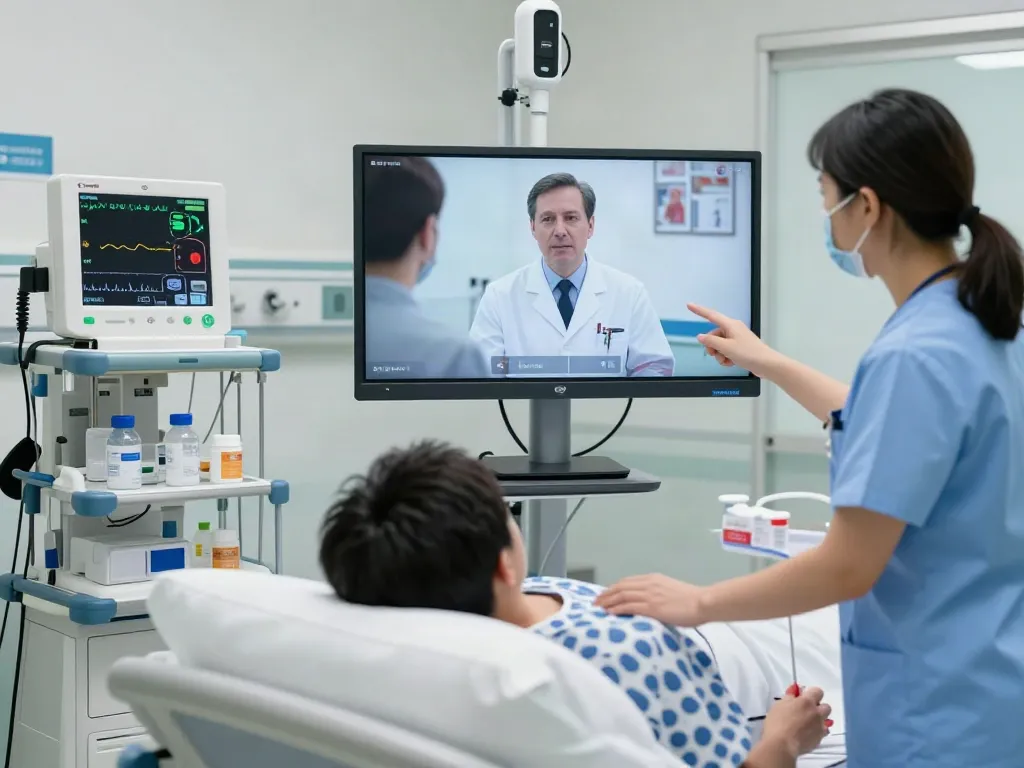
Virtual stroke care is a telemedicine approach that facilitates the rapid evaluation and treatment of stroke patients by connecting them with certified neurologists through video conferencing and digital imaging technologies. This practice allows emergency medicine teams in hospitals to quickly access specialists without the need for patient transfer or prolonged waiting times, especially in rural or underserved areas. By employing platforms designed for real-time communication, medical professionals can assess symptoms, interpret neuroimaging, and recommend treatments from remote locations.
Importance of Remote Neurological Assessment
The immediate assessment of neurological function is crucial during a stroke event, as early intervention can drastically influence a patient's prognosis. Telehealth services enable emergency teams to conduct comprehensive evaluations, thereby facilitating timely administration of life-saving therapies. In many cases, the ability to promptly diagnose stroke types—whether ischemic or hemorrhagic—through remote consultations can lead to more accurate treatment plan implementation, improving survival and recovery rates.
Technology Used in Virtual Stroke Solutions
Several advanced technologies underpin virtual stroke care, ranging from high-definition video conferencing tools to secure electronic health records systems. These technologies include:
- Telepresence Systems: High-resolution video and audio systems that allow real-time interactions between patients and specialists.
- Digital Imaging Tools: Advanced imaging modalities, such as CT and MRI scans, are transmitted digitally to provide neurologists with the necessary data for diagnosis and treatment.
- Mobile Health Applications: Patient monitoring apps that enable remote tracking of symptoms and health metrics, ensuring timely updates for care providers.
Benefits of Virtual Stroke Care
Improved Access to Specialists
One of the most significant advantages of virtual stroke care is the improved access it offers to neurological specialists. In many regions, patients often face long wait times to see a stroke expert. However, through virtual care, hospitals can connect with specialists across broader geographical areas, ensuring that patients receive the necessary expertise without unnecessary delays.
Timely Intervention and Diagnosis
With stroke symptoms often evolving rapidly, timely diagnosis is critical. Virtual stroke care allows for swift assessments, enabling healthcare providers to begin treatment sooner. Rapid initiation of therapies, such as thrombolysis for ischemic strokes, is crucial for minimizing brain damage and improving patient outcomes. In studies, hospitals employing telestroke programs have reported reduced times from symptom onset to treatment initiation, significantly enhancing recovery rates.
Enhanced Patient Outcomes and Experience
Research has indicated that telemedicine in stroke care not only positively impacts clinical outcomes but also enhances the overall patient experience. Patients who can access specialist care from their local hospitals are more likely to feel secure and confident in their treatment plans. Moreover, family members can more easily participate in discussions about care, contributing to a more collaborative approach to recovery.
Challenges and Limitations of Telehealth in Stroke Management
Technological Barriers for Patients
Despite the advantages, implementation of virtual stroke care isn't without challenges. Technological barriers, such as limited internet access or outdated equipment, can hinder the effectiveness of telehealth services, particularly in rural or underserved populations. Ensuring that both patients and healthcare facilities have access to the necessary technology is crucial for widespread adoption and success.
Ensuring Data Privacy and Security
As with any telemedicine solution, maintaining patient privacy and security is paramount. The use of video conferencing tools necessitates robust data protection measures to comply with regulations such as HIPAA in the United States. Healthcare organizations must implement strict protocols to safeguard sensitive patient information against breaches and unauthorized access.
Misconceptions About Telemedicine Effectiveness
There remain misconceptions regarding the efficacy of virtual care in stroke management. Some patients and healthcare professionals may doubt the quality of care provided remotely, fearing that critical nuances could be overlooked. Ongoing education about the capabilities and success rates of telestroke programs is essential to overcome these barriers and build trust in virtual healthcare solutions.
Best Practices for Implementing Virtual Stroke Care
Setting Up a Telehealth System
Establishing a successful virtual stroke care program begins with setting up a reliable telehealth infrastructure. This includes selecting appropriate technology providers, ensuring compliance with healthcare standards, and developing protocols for telemedicine workflows. An efficient system should integrate seamlessly with existing hospital systems to facilitate smooth operation.
Training Healthcare Providers for Remote Care
The success of virtual stroke care heavily relies on the competency of healthcare providers in utilizing telemedicine tools. Training programs should focus on enhancing technological skills, understanding telehealth etiquette, and adopting effective communication strategies to engage patients during virtual consultations.
Communicating with Patients Effectively
Effective communication is critical in telemedicine, especially in high-stakes situations like stroke care. Healthcare providers must be adept at explaining procedures and treatment plans clearly during virtual consultations to ensure patients and their families feel informed and involved in the decision-making process.
The Future of Virtual Stroke Care in 2026 and Beyond
Innovative Technologies on the Horizon
The future of virtual stroke care is poised for innovation, with advancements in artificial intelligence (AI) and machine learning enhancing diagnostic accuracies and treatment strategies. Predictive algorithms may soon assist in identifying patients at risk for stroke, enabling preventative measures to be enacted before clinical symptoms arise.
Predictions for Telehealth Integration
As telehealth continues to evolve, it is expected that healthcare systems worldwide will increasingly integrate virtual stroke care into standard practices. Policymakers are likely to promote policies that facilitate reimbursement for telehealth services, ensuring that these solutions remain accessible and financially sustainable for both patients and providers.
Impact on Healthcare Policies and Patient Rights
The rise of virtual stroke care is driving significant shifts in healthcare policies and patient rights. Legislation may emerge to protect patients’ rights to access virtual care, along with mandates for insurance coverage that encompasses telemedicine services. As demand increases, healthcare providers will be encouraged to maintain high standards of practice in virtual settings, ensuring quality care through innovation.
What are the main advantages of virtual stroke care?
The primary advantages include improved access to specialists, quicker diagnosis and intervention, and enhanced patient satisfaction. Additionally, virtual care reduces the need for patient transfers, minimizing delays in treatment.
How can patients access virtual stroke services?
Patients may access virtual stroke services through their local hospitals or healthcare systems that are equipped with telehealth technology. They can inquire about the availability of telestroke programs during any emergency or consultation visit.
What technologies are critical for effective telestroke?
Key technologies include telemedicine platforms for video consultations, secure data transmission systems for sharing imaging studies, and mobile health applications that allow for remote monitoring of patient conditions.
Are there any risks associated with virtual stroke care?
While generally safe and effective, risks may include technological failures, miscommunication, and potential delays in urgent cases. Nonetheless, with proper protocols and systems in place, these risks can be minimized.
What trends should we expect in virtual stroke care by 2026?
By 2026, expect to see greater integration of AI in diagnostic processes, expanded telehealth services, and evolving healthcare policies that support access to these innovative care models.