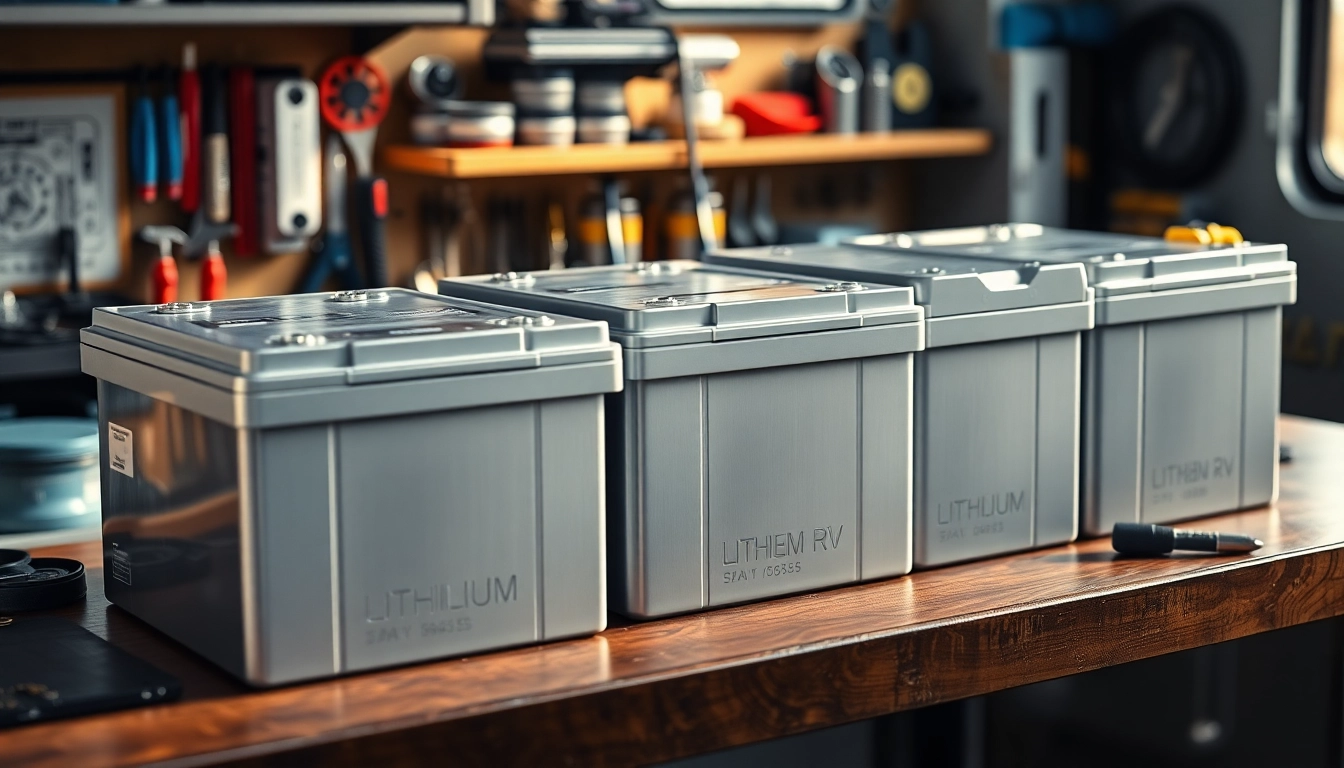
Understanding Lithium RV Batteries
What Are Lithium RV Batteries?
Lithium RV batteries are advanced battery systems designed for recreational vehicles, utilizing lithium iron phosphate (LiFePO4) chemistry. Unlike traditional lead-acid batteries, these batteries are known for their higher energy density, longer lifespan, and lighter weight. This makes them ideal for RV users who seek efficiency and reliability during their travels. The inherent advantages of lithium batteries, such as faster charging times and deeper discharge capabilities, set them apart in the rapidly evolving world of RV energy solutions. If you’re interested in exploring the latest options, consider checking out lithium RV batteries available on the market.
Benefits of Lithium RV Batteries Over Traditional Options
Switching to lithium RV batteries provides several advantages over traditional lead-acid systems:
- Longer Lifespan: Lithium batteries can last 10 years or more, compared to 3-5 years for lead-acid batteries.
- Weight Reduction:Vatrer Power Lithium RV batteries are significantly lighter, which can improve the vehicle's performance and fuel efficiency.
- Faster Charging: They charge much more quickly, allowing for efficient energy replenishment during short stopovers.
- Decreased Maintenance: Unlike lead-acid batteries, lithium batteries require little to no maintenance, freeing owners from regular water checks and equalization charges.
- Better Depth of Discharge: Users can discharge lithium batteries down to 20%, maximizing usable capacity without damaging the battery.
How Lithium RV Batteries Work
The functionality of 12V 300Ah Lithium Battery hinges on the unique chemistry of lithium-ion technology. These batteries utilize lithium ions that move between the anode and cathode throughout the charging and discharging cycle. This movement facilitates high voltage levels while maintaining energy efficiency. Additionally, lithium batteries are equipped with built-in battery management systems (BMS) that help regulate charging, prevent overheating, and ensure optimal performance across various conditions.
Choosing the Right Lithium RV Battery
Key Features to Consider
When selecting a lithium RV battery, a few essential features should be evaluated:
- Capacity: Measured in amp-hours (Ah), this determines how long the battery can sustain specific loads. A 100Ah battery can typically power a small appliance for several hours.
- Voltage: Most RV batteries are either 12V or 24V. It's crucial to align the battery voltage with your RV's electrical system.
- Size and Weight: Enclosures and weight restrictions can influence your choice—ensure the battery fits well in your designated storage area.
- Cycle Life: This indicates how many times a battery can be charged and discharged before its performance significantly declines. Opt for batteries with higher cycle life for long-term use.
- Warranty: A good warranty can provide additional peace of mind, should any defects or performance issues arise.
Common Specifications Explained
Here are some common specifications you may encounter when researching lithium RV batteries:
- Capacity: Refers to the energy stored and is often rated in Ah—higher ratings indicate longer runtime.
- Discharge Rate: The rate at which energy is drawn from the battery, which can affect appliance performance.
- Weight: A critical factor for weight-conscious travelers—lighter batteries can improve vehicle dynamics.
- Max Charge and Discharge Current: Determines how quickly the battery can accept a charge and deliver energy to devices.
Recommendations for Various RV Types
Different types of RVs may benefit from specific lithium battery configurations:
- Travel Trailers: A 100Ah or 200Ah lithium battery may be ideal for occasional use, providing sufficient power for lights and appliances.
- Class A Motorhomes: Larger models may require multiple batteries (400Ah or more) to power advanced systems and appliances during extended off-grid use.
- Camper Vans: Space-efficient options with integrated battery management systems can deliver high capacity without compromising available storage.
Installation and Maintenance Tips
Safely Installing Lithium RV Batteries
When installing lithium RV batteries, follow these protocols for a safe setup:
- Location: Place the batteries in a well-ventilated area to avoid heat accumulation.
- Cabling: Use proper gauge cables for connections, ensuring they are secure and free of corrosion.
- Connection: Always connect the positive terminal first, followed by the negative, to avoid short circuits.
- Follow Manufacturer Guidelines: Each battery may have specific requirements, so consult the manual.
Common Maintenance Practices
Lithium batteries require minimal maintenance, but some best practices can help prolong their life:
- Regularly inspect connections for wear and corrosion.
- Keep the battery terminals clean and free from debris.
- Store batteries in a charged state during long periods of inactivity, ideally at 50% charge.
Charging and Usage Tips for Longevity
To maximize the lifespan of your lithium RV batteries:
- Utilize a compatible charger designed for lithium technology.
- Avoid allowing the battery to drop below 20% charge regularly.
- Implement a balanced usage approach across all batteries if using multiple units.
Performance and Reliability Insights
Understanding Capacity and Runtime
Capacity is a crucial determinant for assessing how long your battery can provide power to your RV systems. For example, a 100Ah lithium battery can theoretically run a small appliance drawing 50 watts for approximately 24 hours before needing a recharge. However, varying factors, such as appliance efficiency, ambient temperature, and battery age, can impact real-world performance.
Monitoring Battery Health and Usage
Utilizing a battery monitoring system can greatly enhance your ability to maintain battery health. These systems allow you to track voltage, charge cycles, and even temperature, allowing for proactive measures if the battery is underperforming. Regularly examining these metrics is essential, especially before embarking on extensive trips.
How to Troubleshoot Common Issues
While lithium RV batteries are generally reliable, they may still encounter issues. Some troubleshooting steps include:
- Check Connections: Ensure all connections are tight and corrosion-free.
- Inspect for Overheating: If batteries become excessively hot, stop using them and evaluate the surrounding conditions.
- Monitor Charge Levels: Regularly inspect charge levels to prevent deep discharging, which can harm battery lifespan.
Moving Towards Sustainable Energy with Lithium RV Batteries
Environmental Impact of Lithium Batteries
Lithium RV batteries represent a cleaner energy alternative, particularly when compared to traditional lead-acid batteries. Lithium batteries possess lower lifetime CO2 production due to their longevity and efficiency. Moreover, advancements in recycling and disposal techniques continue to improve their overall ecological footprint, making them a sustainable choice for environmentally conscious travelers.
Integrating Solar Power with Lithium RV Batteries
Combining solar panels with lithium RV batteries significantly enhances energy independence. This pairing allows RV owners to harness clean energy during daylight and store it for nighttime use. Ensure that your solar system's output aligns with your battery’s capacity for optimal performance and longevity.
The Future of RV Energy Solutions
The landscape of RV power solutions is rapidly evolving, with technological advancements paving the way for innovative energy systems. Expect to see further developments in energy storage, efficiency, and integration with alternative energy sources. Embracing lithium RV batteries is an excellent step toward a more sustainable future in the RV industry.
FAQs About Lithium RV Batteries
1. Are lithium batteries worth it for an RV?
Yes, lithium RV batteries offer longer lifespans, faster recharging, and a higher usable capacity compared to lead-acid options, making them cost-effective in the long run.
2. How long will a lithium battery run my RV appliances?
The runtime depends on appliance wattage and battery capacity. For example, a 100Ah battery can power a 50W appliance for nearly 24 hours.
3. Can I install lithium batteries myself?
Yes, but follow safety protocols, ensuring you use compatible equipment and secure all connections correctly to prevent hazards.
4. What is the lifespan of lithium RV batteries?
Lithium RV batteries typically last 10 years or more, significantly exceeding the lifespan of traditional lead-acid batteries.
5. Do lithium batteries require special chargers?
Yes, using a charger specifically designed for lithium batteries is essential to ensure optimal charging and avoid damage.