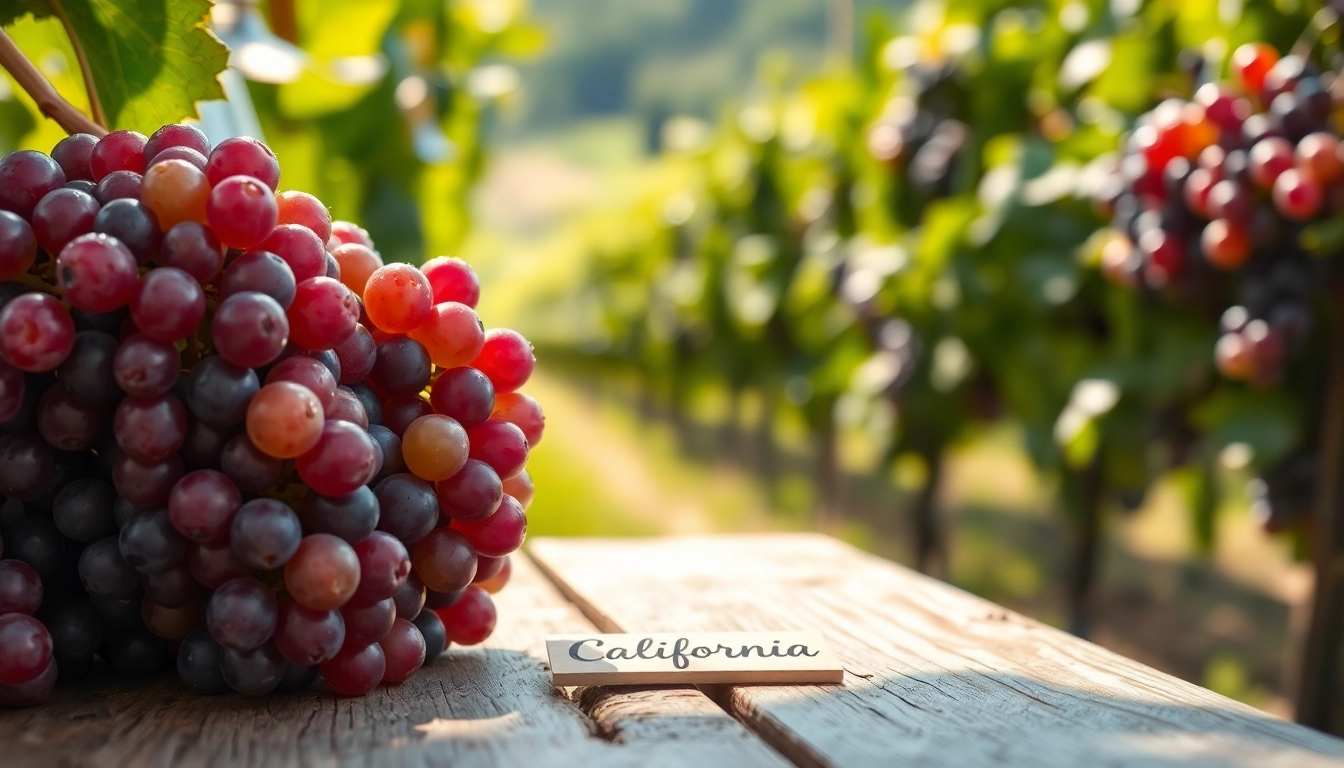
Understanding Wine Grapes
What are Wine Grapes?
Wine grapes, specifically cultivated for winemaking, possess unique characteristics that distinguish them from table grapes or those used for juice. These grapes are typically smaller, have thicker skins, and contain higher sugar concentrations. Their skins are rich in flavor compounds and tannins, which contribute to the overall profile of the wine produced. In the realm of viticulture, understanding the nuances of wine grapes is essential for both commercial producers and home winemakers alike.
Why Choose California Grapes?
California is renowned for its diverse climates and soil types, making it a prime region for growing a variety of wine grapes. The state's vast geographical diversity allows for the cultivation of numerous grape varieties—from the popular Cabernet Sauvignon and Chardonnay to lesser-known types like Viognier and Grenache. The unique terroir, encompassing variations in microclimates and geological conditions, plays a crucial role in producing high-quality grapes that reflect the essence of their origin. Moreover, California's established wine industry is backed by extensive research and expertise, further solidifying its reputation as a leader in viticulture.
Popular Varieties of Wine Grapes
Among the multitude of wine grapes grown in California, several varieties stand out due to their popularity and the quality of the wines produced. Here are some noteworthy examples:
- Cabernet Sauvignon: Known for its deep color, bold flavors, and aging potential.
- Chardonnay: A versatile white grape that can produce anything from crisp, mineral-driven wines to rich, oaky styles.
- Merlot: Celebrated for its softness and fruit-forward profile, making it accessible for many wine drinkers.
- Pinot Noir: Often termed the 'heartbreak grape' due to its sensitivity, it produces elegant wines with complex flavors.
- Zinfandel: California's signature grape, known for its bold fruit flavors and hints of spice.
Where to Buy Wine Grapes
Local Markets vs. Online Retailers
When considering where to buy wine grapes, both local markets and online retailers offer distinct advantages. Local markets allow for direct interaction, where you can inspect the grapes firsthand and engage with growers about their cultivation practices. Conversely, online retailers can provide access to a broader selection of varieties and convenience, especially for those who may not be located near vineyards. It's important to weigh the benefits of each approach based on your specific needs and preferences. For a comprehensive look at available options, explore listings for wine grapes for sale california.
Buying Directly from Vineyards
Purchasing grapes directly from vineyards can be the optimal choice for serious winemakers and enthusiasts. This method often assures quality and traceability, as you can learn about the vineyard’s farming techniques and grape varietals in depth. Direct buying may also grant access to exclusive selections not available to the broader market. Establishing a good rapport with vineyard owners can lead to personalized recommendations and sustainable practices, making this route both beneficial and educational.
Evaluating Quality Before Purchase
Not all grapes are created equal, and understanding how to evaluate grape quality can dramatically influence your winemaking results. When assessing grapes, consider the following criteria:
- Appearance: Look for uniform color and size, avoiding any signs of mold or rot.
- Aroma: Freshly picked grapes should have a lively, fragrant aroma indicative of ripeness.
- Taste: Sample a few grapes to assess their sweetness and acidity levels—key elements in determining the suitability for winemaking.
Best Practices for Storing Wine Grapes
Ideal Storage Conditions
Proper storage conditions are critical for maintaining grape quality post-purchase. Maintain a consistent temperature between 32°F and 40°F (0°C to 4°C) to slow down grape deterioration while reducing humidity to approximately 90% helps prevent mold growth. Storing grapes in a breathable container can also help circulate air, ensuring freshness while avoiding moisture accumulation.
How Long Can You Store Wine Grapes?
The longevity of wine grapes largely depends on their condition at the time of purchase and the storage conditions utilized. Generally, high-quality grapes can be stored for seven to ten days, though it is best to use them as soon as possible for optimal flavor and quality. Keep in mind that prolonged storage affects not only flavor but also the potential for successful fermentation.
Common Mistakes to Avoid
Newcomers to winemaking often make fundamental mistakes in handling and storing grapes. Here are a few common errors to avoid:
- Overcrowding: Storing grapes too tightly can lead to bruising and accelerated spoilage.
- Ignoring Temperature Extremes: Exposure to high temperatures can cause grapes to ferment prematurely.
- Focusing Solely on Appearance: Don't overlook aroma and taste; these are just as critical for selecting quality grapes.
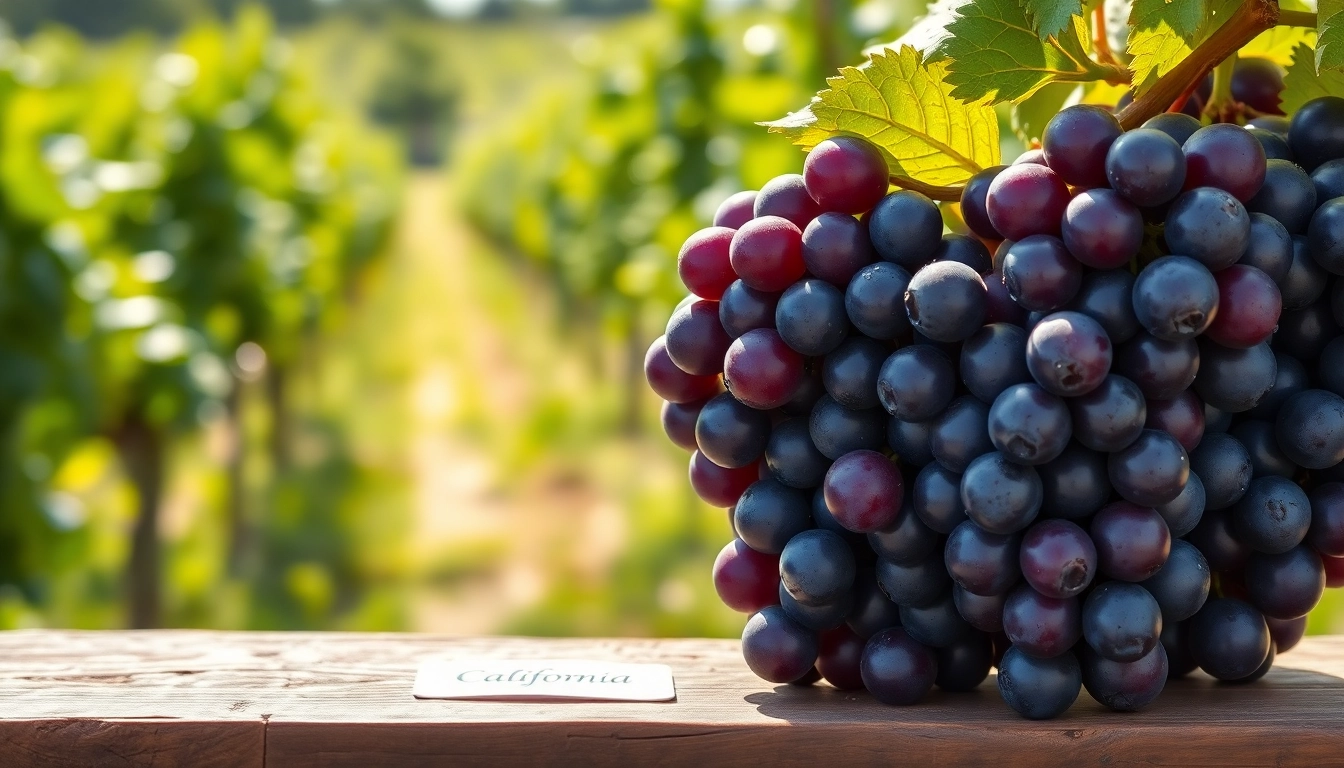
How to Use Wine Grapes in Winemaking
Preparing Grapes for Fermentation
Once you've obtained your grapes, the next step is preparation for fermentation. Begin by removing stems and any damaged grapes to prevent off-flavors during fermentation. It's advisable to lightly crush the grapes to release their juices, allowing for better extraction of flavors and aromas during the fermentation process.
Essential Winemaking Equipment
Having the right equipment can make the difference between a successful vintage and an unsatisfactory outcome. Essential items for home winemaking include:
- Fermentation Vessel: A large container, typically made of glass or food-grade plastic.
- Hydrometer: To measure sugar levels, which helps you anticipate alcohol content.
- Airlock: To allow gases to escape while preventing contaminants from entering.
- Bottling Supplies: Bottles, corks, and a corker are necessary for the final steps of the process.
Tips for Beginners in Winemaking
For those new to winemaking, several key tips can set the foundation for success. Don’t rush the process—take your time in the crushing and fermentation stages. Maintain cleanliness throughout the entire process to avoid unwanted bacteria. Lastly, keep detailed notes of your procedures and results, as they will be invaluable as you refine your techniques over time.
FAQs about Wine Grapes for Sale California
What types of wine grapes can I find for sale in California?
California offers a wide range of wine grape varieties, including Cabernet Sauvignon, Chardonnay, Merlot, Pinot Noir, and Zinfandel, among others.
How should I choose the best wine grapes for my needs?
Consider the variety, ripeness, and amount needed for your desired wine style. Personal taste and production goals should guide your choice.
Are there seasonal considerations for buying wine grapes?
Yes, grape availability varies by season, with most grapes harvested between late summer and early fall. Fresh harvests tend to yield superior quality.
Can I get wine grapes delivered to my home?
Many online suppliers offer delivery services for wine grapes, allowing you to conveniently order from the comfort of your home.
What factors affect the price of wine grapes?
Prices can fluctuate based on grape variety, quality, supply and demand, and prevailing market conditions, including vintage quality and shipping costs.