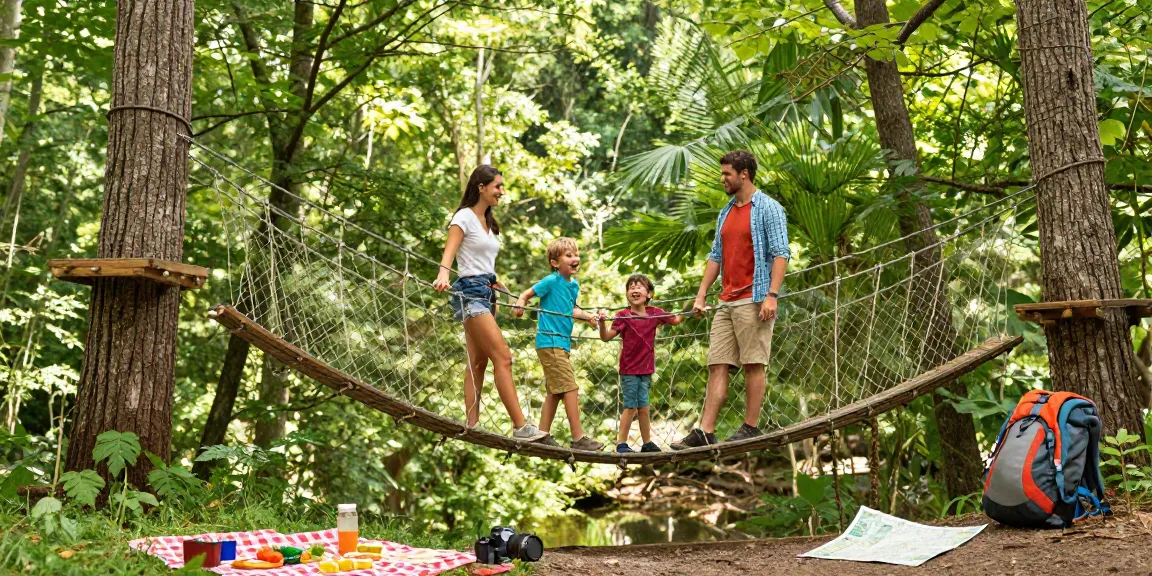
Understanding Rope Bridges: Design and Functionality
Rope bridges have long fascinated adventurers, engineers, and families alike, offering a unique blend of functionality and excitement. These bridges not only serve practical purposes, such as connecting two areas over obstacles like rivers or valleys, but they also stand as a testament to ingenuity in design. The simplicity of their construction using durable materials allows for creative applications, from backyard play structures to serious wilderness crossings. When exploring options, Rope Bridge designs can be adapted for various uses, enhancing outdoor experiences for both children and adults.
What is a Rope Bridge?
A rope bridge, in its most basic form, is a structure suspended by ropes, allowing passage across a gap. Historically, these bridges were made using natural fibers or vines, but modern designs often incorporate synthetic materials for increased durability and weather resistance. They are particularly popular in areas where traditional bridge construction is impractical or too expensive. Rope bridges can vary significantly in design, length, and purpose, but their core function remains the same: to enable safe crossing over obstacles.
Key Components of a Rope Bridge
The fundamental components of a rope bridge include:
- Supporting Ropes: These are the primary load-bearing elements made from materials like nylon or polyester.
- Decking: The surface on which users walk, often made from wooden planks or mesh.
- Anchor Points: Securely fastened to the ground or larger structures, these points hold the bridge in place.
- Handrails: Essential for safety, these provide support for those crossing the bridge.
Different Types of Rope Bridges
Rope bridges can be categorized based on their design and intended use:
- Suspension Bridges: These are the most common type, where the deck is hung from cables. They are ideal for spanning longer distances.
- Cable-Stayed Bridges: In these designs, the deck is supported by cables that are fixed at an angle, providing additional stability.
- Swing Bridges: Used primarily in adventure parks or backyards, these bridges have a swinging motion, adding an element of fun.
- Crossing Bridges: Designed for crossing water or deep ravines, these bridges are built for functionality and safety.
Building Your Own Rope Bridge: Step-by-Step Guide
Constructing a rope bridge can be an exciting project for families and DIY enthusiasts. It not only encourages teamwork but also promotes outdoor engagement. Here’s a step-by-step guide to building your own rope bridge.
Essential Materials Needed
Before starting your project, gather the following materials:
- Strong Rope: Choose high-quality polyester or nylon rope for durability.
- Wooden Beams or Planks: These will create the bridge deck.
- Anchor Stakes: For securing the bridge ends.
- Carabiners: Useful for connecting ropes and ensuring safety.
- Tools: A saw, drill, and measuring tape are essential for cutting and assembling.
Safety Considerations and Best Practices
Safety should always be your top priority when building and using a rope bridge:
- Ensure the anchor points are secure and withstand weight.
- Regularly check the ropes for wear and tear.
- Test the bridge with weight before allowing children to use it.
- Supervise children at all times when using the bridge.
Installation Techniques for Stability
Use these techniques to ensure your rope bridge is stable:
- Level the Deck: Make sure the bridge deck is level during installation to avoid accidents.
- Tension the Ropes: Proper tension is crucial for stability and safety.
- Secure the Ends: Properly anchor the ends of the bridge to prevent swaying.
Fun and Safe Usage of Rope Bridges for Families
Rope bridges can provide countless hours of fun and bonding for families. Here are some ways to enjoy them safely.
Creative Games and Activities
Rope bridges can be used for various games that enhance coordination and teamwork:
- Bridge Crossing Race: Time each participant as they cross the bridge, adding a competitive element.
- Obstacle Course: Incorporate the bridge as part of a larger outdoor obstacle course, adding challenges and fun.
- Adventure Stories: Create stories that involve crossing the bridge, encouraging imaginative play.
Safety Tips for Children
While fun is essential, safety should never be overlooked:
- Teach children to look where they step and hold onto handrails.
- Ensure the bridge is not too high off the ground to prevent serious injuries.
- Limit the number of children on the bridge at any one time to prevent overcrowding.
Enhancing Family Bonding through Outdoor Play
Using a rope bridge encourages families to engage in outdoor activities together. It promotes physical fitness and communication, while also allowing for shared experiences that can strengthen family ties.
Maintaining Your Rope Bridge: Long-Term Care
To keep your rope bridge safe and functional for years to come, it’s essential to perform regular maintenance.
Regular Inspections and Repairs
Conduct regular inspections every few months to check for signs of wear:
- Inspect the ropes for fraying or damage.
- Check the deck for structural integrity, ensuring there are no loose or broken planks.
- Repair or replace any damaged parts immediately to maintain safety.
Weatherproofing Techniques
Weather can significantly affect the longevity of your rope bridge:
- Use UV-resistant ropes and materials to prevent deterioration from sunlight.
- Apply wood sealants to the deck to protect against moisture and decay.
- Store wooden elements indoors during extreme weather events to prevent damage.
Extending the Lifespan of Your Rope Bridge
By taking these preventive measures, you can help ensure your rope bridge remains in excellent condition:
- Regularly clean the bridge to remove dirt and debris.
- Maintain proper tension in the ropes to avoid sagging.
- Follow a maintenance schedule to keep everything in top shape.
The Future of Rope Bridges: Trends and Innovations
As technology evolves, so too does the design and function of rope bridges.
Emerging Designs in Rope Bridge Technology
New designs focus on enhancing safety, aesthetics, and functionality:
- Modular Systems: These are easy to assemble and disassemble, allowing for temporary installations.
- Suspension Enhancements: Advanced materials are being used to improve suspension capabilities and weight limits.
Eco-Friendly Materials and Sustainable Practices
There is a growing trend towards sustainability in construction:
- Using recycled materials for bridge components helps reduce waste.
- Natural fibre ropes are making a comeback, offering biodegradable options.
Integrating Rope Bridges into Adventure Parks
As adventure parks increase in popularity, integrating rope bridges offers challenges that are both fun and safe:
- These structures can serve as exciting attractions, adding to the overall park experience.
- Rope bridges can be designed with varying difficulty levels to suit different age groups.
Frequently Asked Questions
What is a rope bridge called?
A rope bridge is often referred to simply as a "rope bridge," but can also be categorized under terms like "suspension bridge" or "cable-stayed bridge," depending on design specifics.
How do you make a rope bridge?
Creating a rope bridge involves surveying the site, establishing anchor points, laying down decking, and securing the ropes. It is essential to follow safety protocols and use strong materials.
What type of rope is best for a rope bridge?
For constructing a rope bridge, high-strength polyester or nylon rope is recommended due to its durability and weather resistance. A common choice is 1-1/8" three-strand polyester rope, which is ideal for handrails and bridges.
Where can I find rope bridge kits?
Rope bridge kits are available at specialized retailers or online platforms that focus on outdoor equipment and playground installations. These kits often include pre-measured materials and instructions for easy assembly.
What safety measures should be taken when using a rope bridge?
Safety measures include regular inspections, ensuring the bridge is securely anchored, limiting the number of users at a time, and supervising children as they use the bridge.