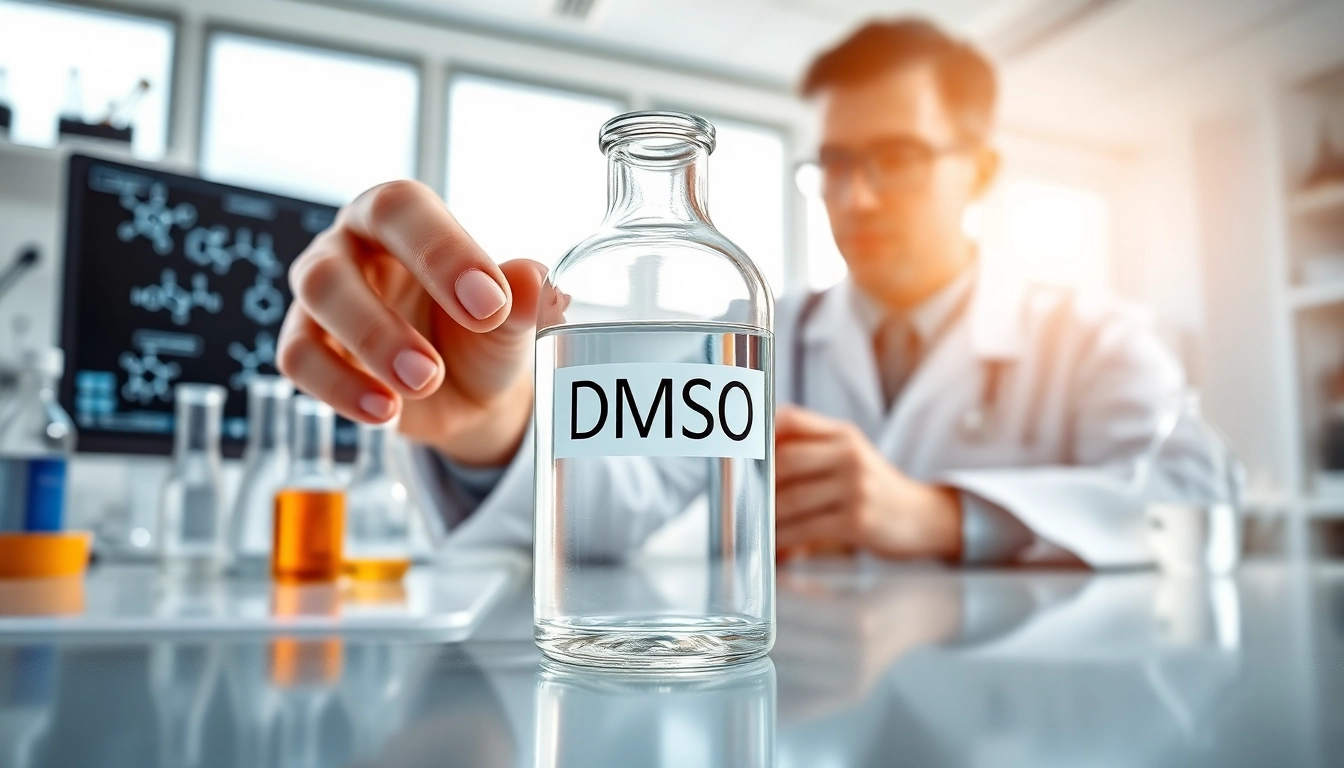
What is DMSO and Its Origins?
Defining DMSO
Dimethyl Sulfoxide (DMSO) is a colorless, odorless solvent derived from the lignin in wood. It is a byproduct of papermaking and is widely known for its ability to penetrate biological membranes and carry other substances with it. This characteristic makes DMSO an increasingly popular compound in various fields including medicine, where it is used for its anti-inflammatory and analgesic properties. Its efficacy has led to a renewed interest in the potential health benefits of drinking DMSO, which can enhance systemic effects on the body.
Historical Uses and Discoveries
DMSO was first discovered in the 19th century and saw initial usage as an industrial solvent. Its medical potential was uncovered in the 1960s, including its application in treating pain and inflammation. Over the years, it has been investigated for various uses, including in surgeries and as a transport medium for other drugs. Historical anecdotes highlight its use in treating sports injuries and chronic pain, garnering a following among sports physicians and wellness advocates.
Current Applications in Medicine
Today, DMSO is used in a range of medical applications, particularly for conditions resulting from inflammation or pain. While it is FDA-approved for specific indications, such as treating interstitial cystitis, its potential as an oral supplement is often discussed among alternative health communities. DMSO acts as an antioxidant, making it appealing for those looking for natural health solutions. Despite debates regarding its regulation, research continues to explore the compound’s full spectrum of benefits.
Health Benefits of Drinking DMSO
Anti-Inflammatory Properties
One of the most lauded benefits of drinking dmso is its strong anti-inflammatory action. DMSO inhibits the production of inflammatory mediators like prostaglandins and cytokines, thus alleviating symptoms associated with inflammatory disorders. Clinical studies have shown that both oral and topical usage can reduce swelling and redness, helping people manage conditions such as arthritis and tendonitis more effectively.
Pain Relief and Management
DMSO’s analgesic properties are significant for individuals suffering from chronic pain. By acting on nerve fibers and altering the perception of pain, it provides relief for those with conditions such as fibromyalgia and neuropathic pain. Patients have reported decreased pain levels following DMSO administration, making it a valuable option for pain management regimes. Additionally, its ability to carry other medications into the bloodstream can enhance the effectiveness of drugs when combined.
Effects on Neuropathy
Another of the remarkable benefits of drinking dmso includes its effects on peripheral neuropathy. DMSO's unique molecular structure allows it to penetrate nerves, potentially providing symptomatic relief for individuals suffering from conditions such as diabetic neuropathy. Preliminary studies suggest that DMSO helps improve nerve function by restoring lost blood flow and reducing pain sensations, making this application highly promising for future therapies.
How to Safely Incorporate DMSO
Recommended Dosages
Finding the right dosage of DMSO is crucial for maximizing its benefits while minimizing risks. Typically, oral dosages range from 5 to 10 mL at 50% concentration, but it is imperative to consult with a healthcare professional before beginning any treatment regime. Individual responses may vary widely, and proper guidance ensures safety and efficacy. Adjustments may be necessary depending on the specific health condition being treated.
Methods of Consumption
DMSO can be consumed in several forms, including as a liquid, gel, or cream. Each method has its own tailored applications. Oral consumption is generally considered, while topical application can result in faster absorption for localized treatment. Additional innovative delivery systems, such as injections, are used in clinics for optimal results. Each approach must be approached with understanding and caution to ensure effectiveness and safety.
Possible Side Effects and Risks
As with any substance, understanding the potential side effects of DMSO is essential. Common side effects include skin irritation, a distinct garlic-like taste when taken orally, and headaches. Serious side effects, although rare, can include allergic reactions. It is crucial to start with small doses, monitor body reactions, and consult a healthcare provider for guidance. Risk mitigation strategies are critical when integrating DMSO into health practices.
Research and Studies Surrounding DMSO
Key Scientific Findings
Research on DMSO is ongoing, with several studies highlighting its multifaceted health benefits. Investigations have shown that DMSO possesses antioxidant properties that protect cells from damaging free radicals. Additionally, studies have indicated potential uses in conditions like Alzheimer’s disease and cancer therapy due to its ability to modulate inflammatory responses. Each study contributes data that supports DMSO’s therapeutic potential, but further research is necessary for comprehensive understanding and approval of broader uses.
Clinical Trials and Evidence
Numerous clinical trials are either complete or underway, focusing on the effectiveness of DMSO in various therapeutic applications. For instance, studies have demonstrated its efficacy in treating pain associated with musculoskeletal conditions. These trials aim to solidify DMSO's role in modern medicine, continuing to investigate its pharmaceutical capabilities. Data variations across studies underscore the need for caution and individual assessment in its use.
Expert Opinions and Perspectives
Expert opinions on DMSO vary, with some healthcare professionals advocating for its use in alternative medicine while others remain skeptical due to insufficient regulation. Practitioners recognize its therapeutic potential, yet they caution that education and research are critical for its safe implementation. Maintaining an open dialogue about DMSO helps demystify its properties, ensuring that users approach it with informed perspectives.
FAQs about DMSO
Can DMSO be taken orally?
Yes, DMSO can be taken orally in appropriate doses. However, it is essential to follow expert guidance on safe consumption to avoid adverse effects.
Is DMSO safe for topical application?
DMSO is generally safe for topical use; however, it’s important to ensure the skin is clean to prevent impurities from entering the bloodstream.
What concentrations of DMSO are effective?
Effective concentrations of DMSO can vary widely. Commonly, concentrations between 50%-70% are utilized for both oral and topical therapies, with medical support recommended.
Are there age restrictions for DMSO use?
While DMSO can be used by adults, caution is advised for children and elderly populations, necessitating professional consultation before use.
How does DMSO interact with other medications?
DMSO can enhance the absorption of medications through the skin or when ingested, necessitating careful assessment to avoid potential interactions.