Understanding Age Perception and Its Influences
Age perception is a fascinating aspect of human psychology that influences not only how we see ourselves but also how we interact with others. Many people often find themselves asking, “how old do I look?”, a question that reflects both curiosity and societal pressures regarding age. This inquiry can reveal much about our self-image, cultural norms, and even the impact of technological advancements on our lives. To truly understand age perception, it is essential to explore its meaning, the factors that affect it, and the cultural variations that influence how we gauge age.
What Does "How Old Do I Look" Mean?
The question, “how old do I look?”, serves as a probe into our perceived age versus our biological age. It ties into a desire for validation about our appearance and age-related social expectations. In many cultures, youth is often associated with beauty, vitality, and desirability, making the question a sensitive topic for many. Consequently, our perceptions can be skewed by societal standards that dictate how one should look at a certain age.
Factors Affecting Perceived Age
Perceived age is influenced by various factors, including genetics, lifestyle choices, and environmental conditions. Some key components include:
- Genetics: Your family history can significantly influence your skin elasticity, hair color, and overall appearance as you age.
- Lifestyle: Diet, exercise, sleep, and stress management all play critical roles in maintaining a youthful appearance.
- Skincare: The use of sunscreen, moisturizers, and anti-aging products can impact how old you look.
- Health Conditions: Certain medical issues may accelerate signs of aging.
Cultural Differences in Age Perception
Cultural context dramatically affects how age is perceived. In some societies, aging is celebrated, revered, and associated with wisdom; in others, it may carry negative connotations. For instance, in many Eastern cultures, older individuals are viewed with respect and admiration, while in Western cultures, there might be greater emphasis on youthfulness. This divergence leads to different societal pressures and influences on self-perception.
Exploring AI Technology in Age Estimation
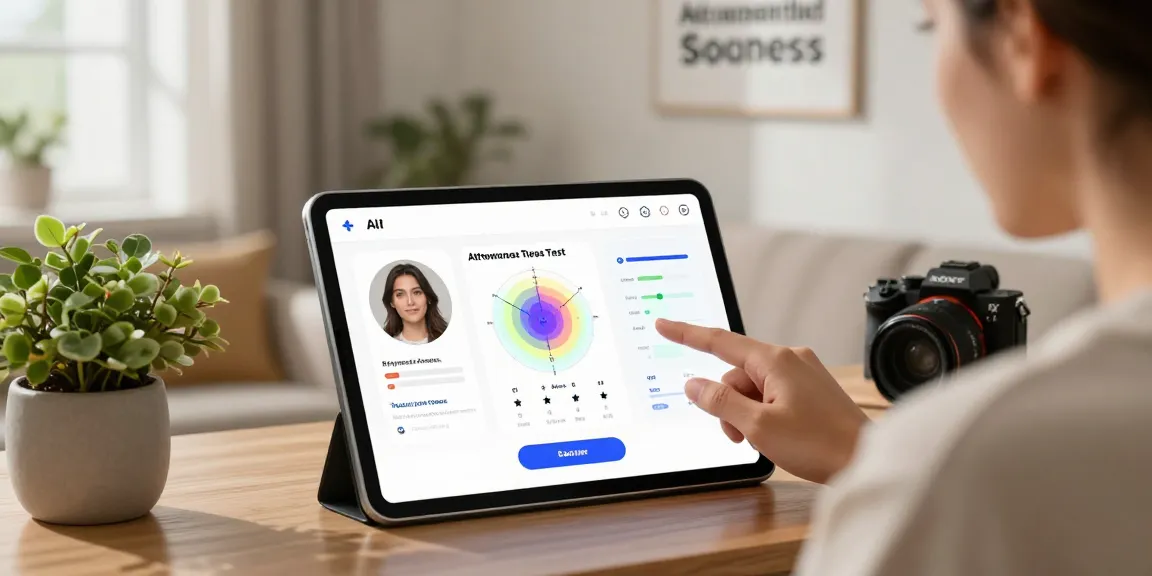
As technology advances, so does our ability to assess age with increased accuracy. Various tools and applications have emerged, providing users with the opportunity to explore their perceived age through AI-powered evaluations. When exploring options, how old do I look offers comprehensive insights into how technology influences our understanding of age.
How AI Calculates Facial Age
AI utilizes image recognition algorithms to analyze facial features such as skin texture, wrinkles, and overall facial structure to provide an estimate of perceived age. These algorithms are trained on vast datasets of images, allowing them to identify patterns typically associated with various ages. The precision of AI in this realm can lead to surprising revelations about how we perceive ourselves and others.
Accuracy of Age Estimation Apps
The accuracy of age estimation apps can vary depending on the underlying technology. Many rely on complex neural networks that have been trained on extensive datasets, while others may offer less sophisticated features. Generally, recognized apps like Fotor and FaceAge.ai have shown commendable accuracy levels, but users should remain conscious of their limitations.
Emerging Trends in AI Age Estimation Technology
Innovation is a constant in the field of AI, and age estimation technology is no exception. Future advancements may refine our tools for assessing perceived age, integrating facial recognition with other biometric data for even more accurate predictions. Moreover, augmented reality (AR) could enhance user experiences, allowing users to visualize potential aging effects in real time.
Practical Applications of Age Estimation Tools
Age estimation tools have practical applications across various sectors, including personal branding, social media, and even health assessments. Understanding your perceived age can provide valuable insights into how you are viewed by others and how to shape your online presence.
Using Age Estimation for Personal Branding
In the digital landscape, how you are perceived can significantly impact your personal brand. By leveraging age estimation tools, individuals can gain insights into their visual presentation and adjust their branding strategies accordingly, ensuring they align with their target audience's expectations.
Social Media and Age Perception
Social media platforms often emphasize youthfulness, leading users to project their best selves. Age estimation can help users understand how they are perceived and how to craft their online identities more effectively. It also facilitates a discussion around authenticity versus societal standards.
Case Studies of Successful Implementations
Several brands have successfully utilized age estimation technologies to enhance user engagement. For instance, beauty companies often incorporate such tools into marketing campaigns, allowing consumers to visualize product effects on aging. These applications not only increase consumer interest but can also drive sales through user-generated content.
Challenges and Misconceptions About Age Estimation
Despite the advancements in age estimation technology, several challenges and misconceptions persist. Understanding these can help users navigate the complex landscape of perceived age and technology.
Common Misunderstandings of AI Technology
Many individuals harbor misconceptions about the capabilities of AI age estimation tools. Some believe that these applications can provide exact biological age, which they cannot. AI can offer only estimates based on visual data, and results can vary widely based on myriad factors.
Impacts of Inaccurate Age Perception
Inaccurate age perception can lead to negative self-esteem, social anxiety, and undue stress. Individuals may feel pressured to conform to certain beauty standards, which can affect mental health. Understanding the limitations of AI technology can help mitigate these feelings.
Addressing Negative Reactions and Feedback
Feedback regarding age estimation tools can range from curiosity to skepticism. Addressing negative perceptions requires clear communication about the capabilities and limitations of these technologies, fostering a more informed user base.
The Future of Age Estimation in 2026 and Beyond
As we look towards 2026, the future of age estimation technology promises to be filled with exciting innovations. Enhanced algorithms and broader datasets will likely improve accuracy, while ethical considerations will shape how these technologies are deployed in society.
Predicted Innovations in Age Estimation Technology
Future innovations may expand beyond mere facial recognition to include broader biometric assessments, integrating lifestyle data for a holistic perspective on aging. Wearable technology could also play a role, allowing individuals to track their aging process in real-time.
Integrating Age Estimation into Everyday Life
As technology becomes more embedded in daily life, the use of age estimation tools will likely increase, impacting sectors such as healthcare, beauty, and fitness. These tools can provide insights into health risks associated with aging, enabling proactive lifestyle adjustments.
Ethical Considerations in Age Estimation
With advancements come ethical dilemmas. Questions around privacy, data use, and the psychological impacts of perpetuating certain beauty standards must be carefully navigated. Ensuring that users are informed and consent to how their data is used will be vital for building trust in these technologies.
What factors influence how old do I look?
As discussed, several factors contribute to perceived age, including genetics, lifestyle, and cultural influences. Awareness of these factors can help individuals take actionable steps to enhance their appearance and well-being.
How accurate are age prediction apps?
While many apps provide insightful estimations, users should understand that these tools are not infallible. Variations in accuracy exist, and it is essential to approach results with an open mind.
Can age perception impact social interactions?
Indeed, age perception plays a significant role in social interactions. Understanding how others perceive you can affect your communication style, confidence levels, and even your engagement in various social settings.
What technologies are shaping age estimation?
The evolution of AI, machine learning, and image processing technologies are at the forefront of shaping age estimation methods. These technologies continue to refine how we assess and perceive age.
How can I use age estimation for personal growth?
By understanding your perceived age and the factors influencing it, you can make informed decisions about your lifestyle choices. This awareness can lead to personal growth and a more positive self-image.