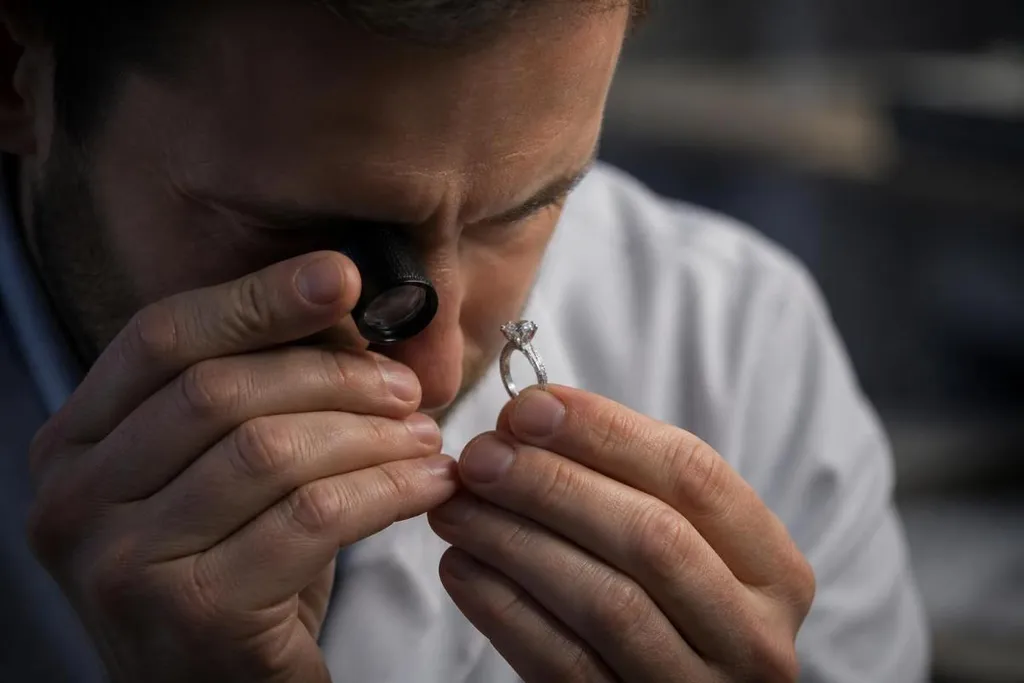
An engagement ring is an emotional purchase, but increasingly it is also a considered one. Buyers want to understand not only how a ring looks, but what its materials are, how its gemstones have been assessed and what information supports claims about responsible sourcing. Terms such as ethical, certified and sustainable are common in jewellery, yet they do not all describe the same thing.
For couples researching certified ethical engagement rings, the most useful approach is to look for transparency rather than relying on a single label. Gemstone certification, precious-metal hallmarking and sourcing policies each answer different questions. Together, they can provide a clearer picture of the materials and standards behind a ring intended to carry meaning for decades.
Understand What Gemstone Certification Actually Confirms
A gemstone grading report provides independent information about a particular stone, but it is important to understand the limits of that information.
For diamonds, recognised laboratories can assess characteristics such as carat weight, colour, clarity and measurements, with cut-related information included where applicable. Lab-grown diamonds can also be independently graded, allowing buyers to compare stones using established quality characteristics.
Certification is therefore valuable when assessing what is being purchased. It provides documentation rather than asking the buyer to depend solely on a retailer's description.
However, a grading report should not automatically be interpreted as proof that every aspect of a ring's production is ethical. Gemstone quality assessment and responsible sourcing are related considerations, but they are not interchangeable.
A thoughtful buyer should ask what a certificate confirms, who issued it and what additional information is available about the ring's materials.
Responsible Sourcing Extends Beyond the Centre Stone
The centre gemstone may attract the most attention, but an engagement ring contains several materials. Precious metals, smaller accent stones and manufacturing processes all contribute to the finished piece.
This is why responsible sourcing needs to be considered across the ring rather than reduced to a single diamond.
Lab-grown gemstones can form part of this conversation because they are created in controlled environments rather than extracted as rough material from a mine. That distinction may appeal to buyers who want to reduce their reliance on newly mined gemstones. It is still sensible, however, to look beyond broad claims and consider the information a jeweller provides about its suppliers, manufacturing and wider environmental practices.
Precious metals deserve similar attention. Recycled gold or platinum can reduce demand for newly extracted metal, but buyers should look for clear descriptions of what is actually being used rather than assuming every sustainability term represents the same standard.
Transparency is more meaningful than vague promises.
Hallmarking and Certification Serve Different Purposes
In British fine jewellery, hallmarking provides another important layer of independent verification.
Qualifying precious-metal items sold in the UK are required to carry a hallmark confirming that the metal has been independently tested for fineness. An 18-carat gold ring, for example, commonly carries a 750 fineness mark, while platinum jewellery may carry a 950 mark depending on its composition.
A full hallmark can also identify the sponsor and the assay office responsible for testing the piece.
This should not be confused with gemstone certification. A hallmark concerns the precious metal; a diamond or gemstone report concerns the stone. Neither, on its own, establishes the complete ethical credentials of the finished engagement ring.
Together with a clearly stated sourcing policy, however, these independent forms of verification can help buyers make a better-informed decision.
Ask Specific Questions Rather Than Looking for an “Ethical” Label
Responsible jewellery purchasing becomes easier when broad terminology is translated into practical questions.
Ask whether the centre stone is lab-grown or mined and whether independent grading documentation is supplied where relevant. Look at what the jeweller says about precious-metal sourcing and whether recycled materials are used. Check where pieces are manufactured and whether the business provides meaningful information about its supply chain.
It is also worth considering longevity. A well-made ring that can be maintained, repaired and worn for decades has a different lifecycle from jewellery treated as disposable or trend-driven.
Design therefore belongs in the ethical conversation too. Choosing a ring because its proportions, materials and style genuinely suit the wearer can reduce the likelihood of replacing it simply because tastes change.
Final Thought
An ethical engagement ring cannot be understood through one certificate, one material or one marketing phrase. Responsible choice comes from examining several layers: gemstone documentation, precious-metal verification, sourcing practices, manufacturing and long-term quality.
The strongest approach is to look for specific evidence and transparent explanations. Certification and hallmarking can verify important characteristics, while responsible sourcing policies provide wider context. Together, they allow an engagement ring to be chosen not only for how beautifully it marks a commitment, but for how confidently its materials and craftsmanship can be understood.