Understanding the Scissor Lift
What is a Scissor Lift?
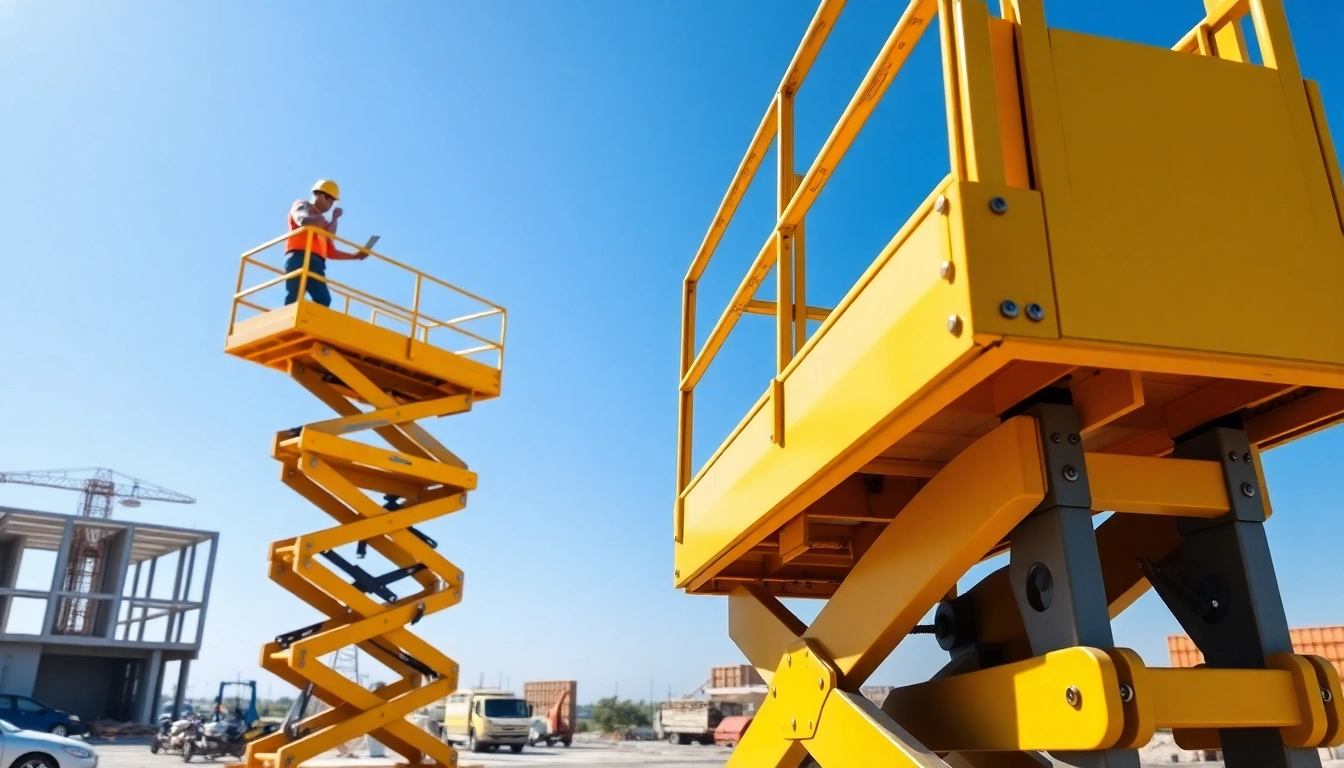
A scissor lift is a type of aerial work platform that is designed to lift personnel, tools, and materials to height. It operates on a unique mechanism that employs the motion of crisscrossed beams, allowing it to extend vertically in a compact and stable manner. This design makes scissor lifts incredibly versatile, often used in construction, maintenance, and other applications that require elevated access. With various features designed for efficiency and safety, the scissor lift is an essential tool in many industries.
Types of Scissor Lift
Scissor lifts come in multiple varieties, each tailored to meet specific operational needs:
- Standard or Slab Scissor Lifts: Ideal for even surfaces, typically used indoors for tasks like maintenance work.
- Rough Terrain Scissor Lifts: Equipped with larger tires and enhanced traction for outdoor use on uneven surfaces, making them suitable for construction sites.
- Electric Scissor Lifts: Operated by electric power, these lifts are quieter and emit no emissions, making them ideal for indoor applications.
- Hydraulic Scissor Lifts: Utilizing hydraulic systems for lift operations, these are robust and suitable for heavier loads.
How Scissor Lift Works
Scissor lifts operate through a simple yet effective mechanism where the lifting platform is raised and lowered using a pair of crisscrossed supports known as scissor arms. When hydraulic fluid is pumped into the lift, the arms expand and elevate the platform. Conversely, to lower the lift, the fluid is released, allowing gravity to lower the platform safely. This mechanism allows for stability, making it an excellent choice for working at heights.
Benefits of Using a Scissor Lift
Increased Safety
Safety is paramount in any working environment, especially at heights. Scissor lifts often come equipped with guard rails, non-slip surfaces, and automatic braking systems, reducing the risks associated with working lift heights. Operators can carry tools and materials securely, minimizing the potential for accidents. Using a scissor lift significantly enhances safety ratings on construction and maintenance sites.
Enhanced Productivity
Scissor lifts improve productivity by allowing workers to access hard-to-reach areas quickly and efficiently. The lift can be positioned precisely where work needs to be done, enabling operators to move materials effortlessly and reducing downtime. Furthermore, the ability to elevate multiple workers at once allows for tasks to be completed faster, leading to increased productivity overall.
Versatility in Applications
The versatility of scissor lifts makes them a preferred choice across various industries. Whether it's construction, warehousing, or maintenance, they can adapt to different needs. Electric models are perfect for indoor environments, while rough terrain variants excel in outdoor settings. This adaptiveness allows businesses to utilize scissor lifts for a multitude of tasks, optimizing their operations and capital expenses.
Choosing the Right Scissor Lift
Size and Height Considerations
When selecting a scissor lift, it's crucial to consider the height and weight capacity required for specific tasks. Scissor lifts come in different sizes, capable of reaching heights from as low as 10 ft. to over 70 ft. Evaluating the maximum lift height needed for your projects ensures that you select an appropriate model that can handle the demands without compromising safety.
Power Source Options
Another critical factor in selecting a scissor lift is the power source. Electric scissor lifts are popular for indoor applications due to their low emissions and quiet operation. Conversely, gas or diesel-powered lifts are better suited for outdoor work, especially in rugged environments. Assessing the power requirements based on the lift’s frequent usage environment will help you make an informed choice.
Terrain Adaptability
Consider the surfaces on which the scissor lift will operate. If you plan to use the lift in outdoor environments characterized by uneven surfaces, it's essential to select a rough terrain scissor lift equipped with larger tires and four-wheel drive. Conversely, slab lifts are designed for flat, stable surfaces. Properly evaluating terrain adaptability ensures that you can maintain productivity without risking damage to the lift or injury to operators.
Best Practices for Operating a Scissor Lift
Pre-Operation Safety Check
Before using a scissor lift, a thorough safety check must be performed. This includes inspecting the lift for any visible damage, checking fluid levels, ensuring batteries are charged, and testing the emergency lowering system. This pre-emptive step minimizes the risk of accidents associated with equipment malfunction.
Proper Usage Techniques
Training for operators is essential. Workers should understand how to control the lift, including raising, lowering, and maneuvering it safely. Emphasizing hand signals and clear communication among team members helps prevent mishaps when working at height. Moreover, using harnesses and other personal protective equipment is recommended for additional safety.
Post-Operation Guidelines
Once the job is finished, operators should ensure the lift is lowered completely, moved away from edges, and secured appropriately. Regular maintenance should also be performed to ensure the scissor lift remains in optimal condition for future use. Documenting any issues encountered during operation can aid in maintaining a safe working environment for all personnel.
Common FAQs about Scissor Lift
How high can a scissor lift go?
Scissor lifts can typically reach heights ranging from 10 ft. to over 70 ft., depending on the model selected. Assessing your requirements will help determine the appropriate lift for your project.
Can scissor lifts be used outdoors?
Yes, scissor lifts are often used outdoors; however, selecting a rough terrain model is crucial for uneven surfaces. Electric models are generally for indoor use due to their limited outdoor capabilities.
What safety certifications are required?
Operators of scissor lifts must typically have proper training and certification. Familiarity with safety regulations and guidelines set by OSHA ensures compliance and safety during operations.
How to transport a scissor lift?
When transporting scissor lifts, it's important to secure them properly on a trailer and ensure they are powered down. Following local regulations regarding transport procedures prevents accidents during transportation.
Are scissor lifts fuel-efficient?
Electric scissor lifts are generally more fuel-efficient than those powered by gas or diesel. They provide a cleaner, quieter operation ideal for indoor environments and help reduce overall operational costs.