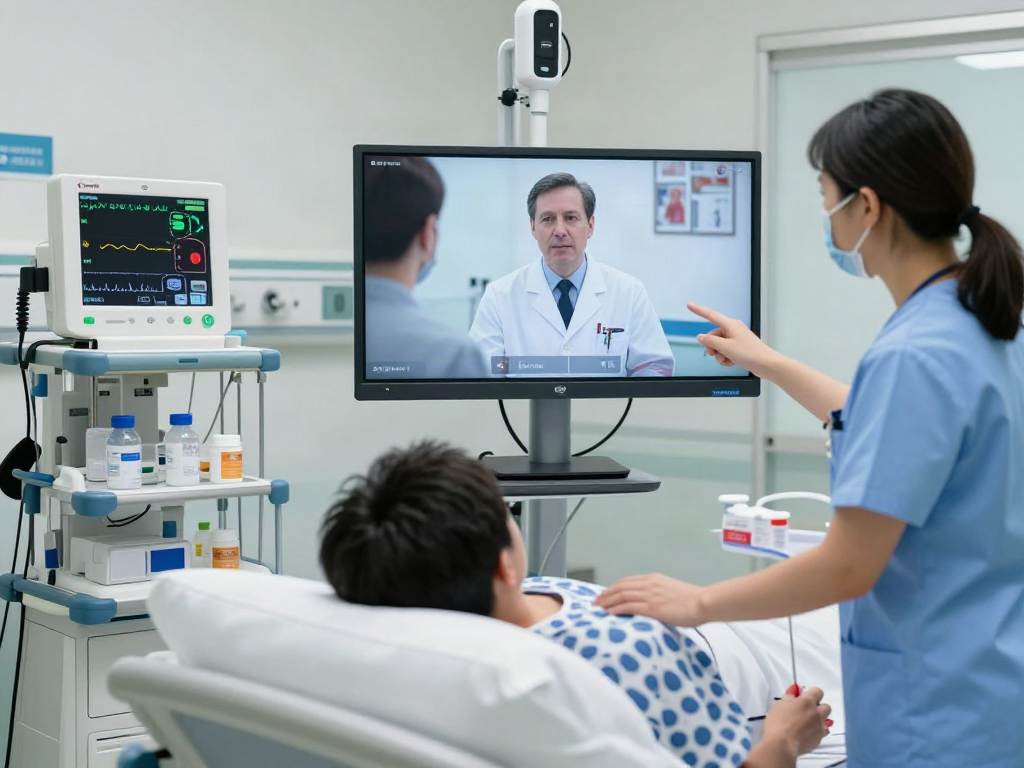
Understanding Beyin Tümörü Ameliyatı Techniques
Beyin tümörü ameliyatı, beyin kanserleri ve diğer intrakraniyal kitleler için önemli bir tedavi seçeneği sunmaktadır. Günümüzde cerrahi müdahale, tümörün türüne ve yerleşimine göre değişiklik gösterirken, bu süreçteki yenilikçi yöntemler başarı oranlarını artırmaktadır. When exploring options, beyin tümörü ameliyatı provides comprehensive insights into surgical options including meningiomas, gliomas, and metastatic brain tumors.
Overview of Surgical Options
In the realm of neurosurgery, various techniques exist to address brain tumors. The most common form of surgery is craniotomy, where a section of the skull is removed to access the brain. This method allows the surgeon to visualize the tumor directly, making it easier to perform precise excisions. Other options include stereotactic surgery, a minimally invasive technique that uses imaging to target tumors with high accuracy, reducing recovery times and complications.
Minimally Invasive Approaches
Minimally invasive techniques have transformed the landscape of neurosurgery. These approaches, such as keyhole surgery and endoscopic procedures, utilize smaller incisions and advanced imaging technologies. The benefits of these methods include decreased postoperative pain, reduced scarring, and a shorter hospital stay, allowing patients to resume daily activities more quickly.
Awake Surgery: Benefits and Challenges
Awake brain surgery, or awake craniotomy, is a specialized technique that allows the surgical team to monitor brain functions in real-time. During this procedure, patients are kept awake and responsive, which helps minimize the risk of damaging critical brain areas responsible for speech and movement. While this technique can be daunting for patients, it has been shown to enhance surgical precision and patient outcomes.
Preparing for Beyin Tümörü Ameliyatı
Thorough preparation is essential for successful outcomes in brain tumor surgery. Patients undergo comprehensive preoperative assessments, including imaging studies and neurological evaluations, to establish a clear understanding of the tumor’s characteristics and implications. Patient education and involvement in the decision-making process are crucial aspects that ensure a more confident and informed patient experience.
Preoperative Assessments
Before undergoing surgery, patients will typically have a series of assessments to evaluate their overall health and the specifics of the tumor. These assessments often include MRI or CT scans, blood tests, and consultations with anesthesia and surgical teams. Understanding these evaluations can help ease patient anxiety and promote preparedness.
Patient Education and Involvement
Educating patients about the surgical process, potential risks, and expected outcomes is vital. Engaging patients in discussions about their treatment options fosters trust and eases fears. This involvement can also help patients set realistic expectations about recovery, potential complications, and the role of follow-up care.
Managing Expectations
It is important for patients and their families to understand the entire surgical process, including what to expect during recovery. Through clear communication, healthcare providers can help mitigate anxiety and prepare families for the road ahead, emphasizing the importance of patience and support during the recovery process.
Risks and Benefits of Beyin Tümörü Ameliyatı
Like any surgical procedure, beyin tümörü ameliyatı carries certain risks, but it also offers considerable benefits that can significantly improve patients' quality of life. Evaluating the balance between these risks and benefits is critical in the preoperative phase.
Complications to Watch For
Potential complications from brain tumor surgery can include infection, bleeding, and cognitive changes. Understanding these risks allows both patients and surgeons to develop appropriate management plans and prepare for any eventualities.
Long-term Advantages
Successful removal of the tumor can lead to significant improvements in neurological function and quality of life. Many patients report relief from symptoms associated with the tumor, such as headaches, seizures, and cognitive impairments. Long-term follow-ups are crucial to monitor for any recurrence of the tumor and to evaluate the overall effectiveness of the treatment.
Patient Stories and Outcomes
Real-life stories from past patients can provide insights into the surgery's efficacy and recovery process. Sharing these narratives fosters optimism and reassurance, demonstrating that with proper care and intervention, many patients go on to lead fulfilling lives post-surgery.
Post-surgery Care and Recovery
The recovery phase after brain tumor surgery is a critical period that requires careful monitoring and support. Postoperative care focuses on minimizing complications and facilitating a smooth transition back to daily life.
What to Expect After Surgery
After the surgery, patients may experience a range of symptoms, including fatigue, pain at the surgery site, and neurological changes. Healthcare providers typically recommend close monitoring and regular follow-up visits to track recovery progress and address any emerging issues.
Rehabilitation and Follow-up
Rehabilitation plays a vital role in recovery, particularly if the surgery affected cognitive or motor functions. Patients may benefit from physical therapy, occupational therapy, or cognitive rehabilitation. Follow-up imaging, such as MRI scans, is often scheduled to monitor for any signs of tumor recurrence.
Signs of Complications Post-Op
It is essential for patients and caregivers to be aware of warning signs that may indicate complications, such as severe headaches, persistent vomiting, weakness, or changes in vision. Promptly addressing these symptoms can prevent serious health issues and improve recovery outcomes.
Future of Beyin Tümörü Ameliyatı Techniques
As technology continues to advance, the future of brain tumor surgery looks promising with emerging techniques and innovative tools that enhance surgical precision and patient outcomes.
Emerging Technologies in Neurosurgery
Innovations such as robotic-assisted surgery, augmented reality, and advanced imaging techniques are set to revolutionize the field of neurosurgery. These technologies aim to improve surgical accuracy and minimize patient trauma.
Impact of AI on Surgical Outcomes
Artificial intelligence (AI) is gradually playing an important role in enhancing surgical outcomes. By analyzing vast amounts of data, AI can assist surgeons in making informed decisions about surgical tactics and predicting potential complications.
Trends to Watch in 2026 and Beyond
Looking ahead, we can expect further enhancements in minimally invasive techniques, AI integration in surgical planning, and personalized medicine approaches tailored to individual tumor profiles. These trends promise to redefine the future landscape of beyin tümörü ameliyatı.
What are the risks associated with Beyin Tümörü Ameliyatı?
Understanding the risks involved in brain tumor surgery is crucial for informed decision-making. Each patient’s unique health profile and tumor characteristics play a significant role in determining potential complications.
How long is the recovery period after Beyin Tümörü Ameliyatı?
Recovery time after brain surgery varies significantly based on the type of procedure performed and individual patient factors. Generally, a complete recovery may take several weeks to months.
What should I expect during the preoperative phase for Beyin Tümörü Ameliyatı?
During the preoperative phase, patients should expect thorough assessments and discussions regarding potential surgery implications, risks, and postoperative care. Knowledge is essential in feeling prepared.
Are there new techniques for Beyin Tümörü Ameliyatı in 2026?
With rapid advancements in medical technology, innovative techniques such as robotic surgery and enhanced imaging are anticipated to emerge, offering improved precision and outcomes.
How do I choose the right surgeon for Beyin Tümörü Ameliyatı?
Choosing the right neurosurgeon involves researching qualifications, experience, and patient reviews. For more information, beyin tümörü ameliyatı offers valuable insights. Consultations can help gauge comfort with the surgeon’s approach and philosophy.